Waste Audit & Consultancy
Detailed site audits, waste flow mapping, and KPI reports to identify reduction opportunities and target high‑impact interventions.
Don't let complex environmental regulations and hidden waste costs overwhelm your business. We provide the expert strategic roadmap you need to stay compliant and transition into a profitable, zero-waste organization.
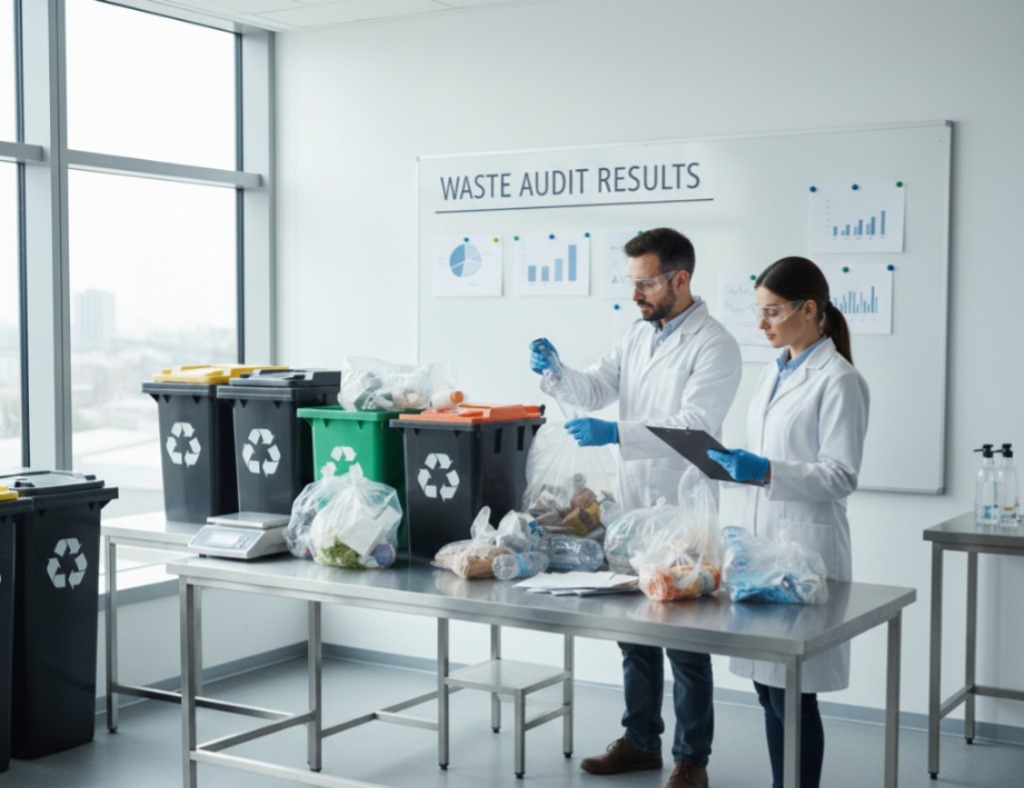
You cannot manage what you do not measure. Our detailed audits identify exactly where your waste is being generated and uncover hidden opportunities to save money and resources.
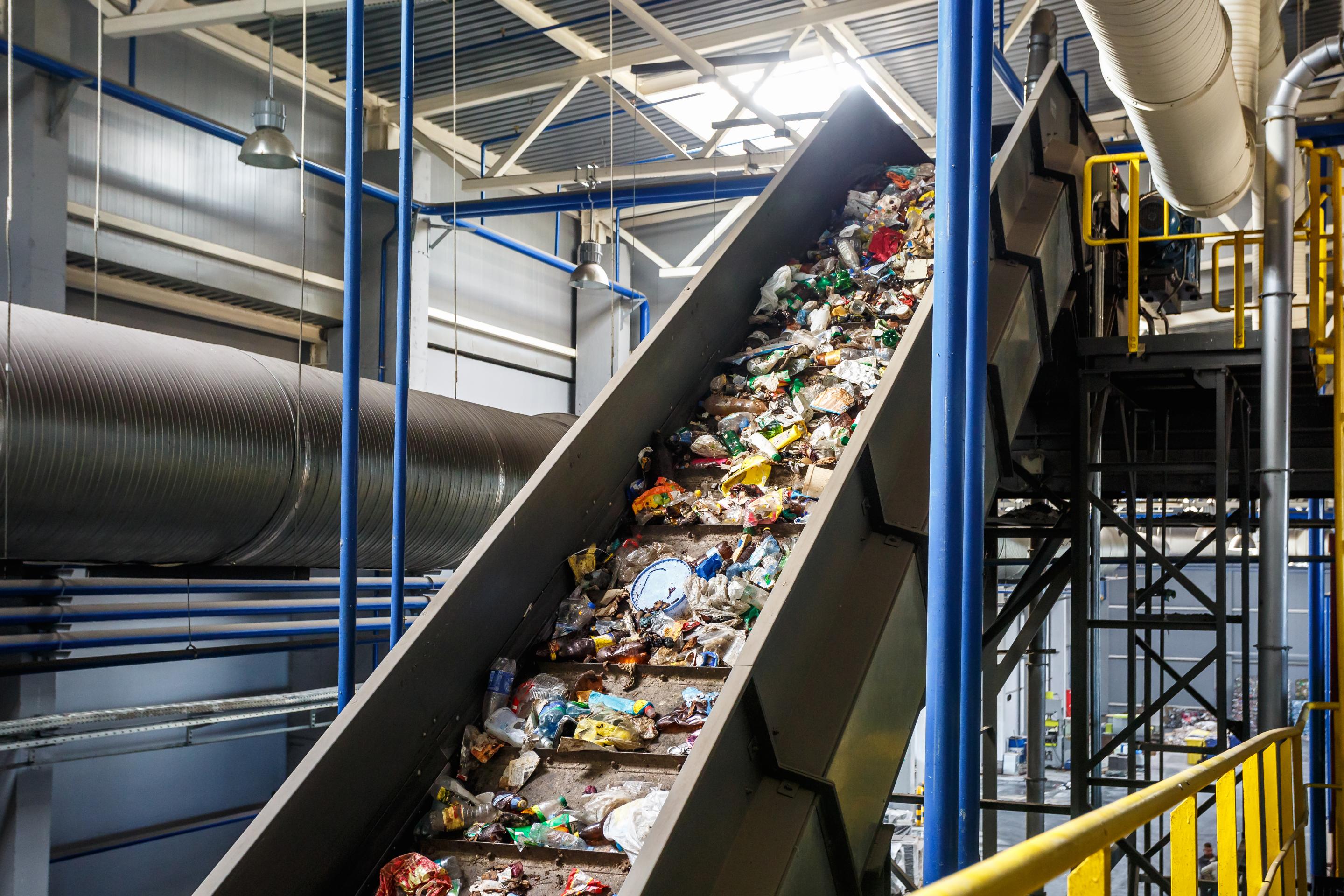
From source segregation to resource recovery, our end‑to‑end services help businesses and communities reduce environmental impact, cut costs, and create circular‑economy value.
Detailed site audits, waste flow mapping, and KPI reports to identify reduction opportunities and target high‑impact interventions.
Colour‑coded bins, behavioural campaigns, and scheduled collection routes that increase diversion rates and reduce contamination.
On‑site organic composting, material recovery facilities (MRF), and partnerships with certified recyclers to close the loop.
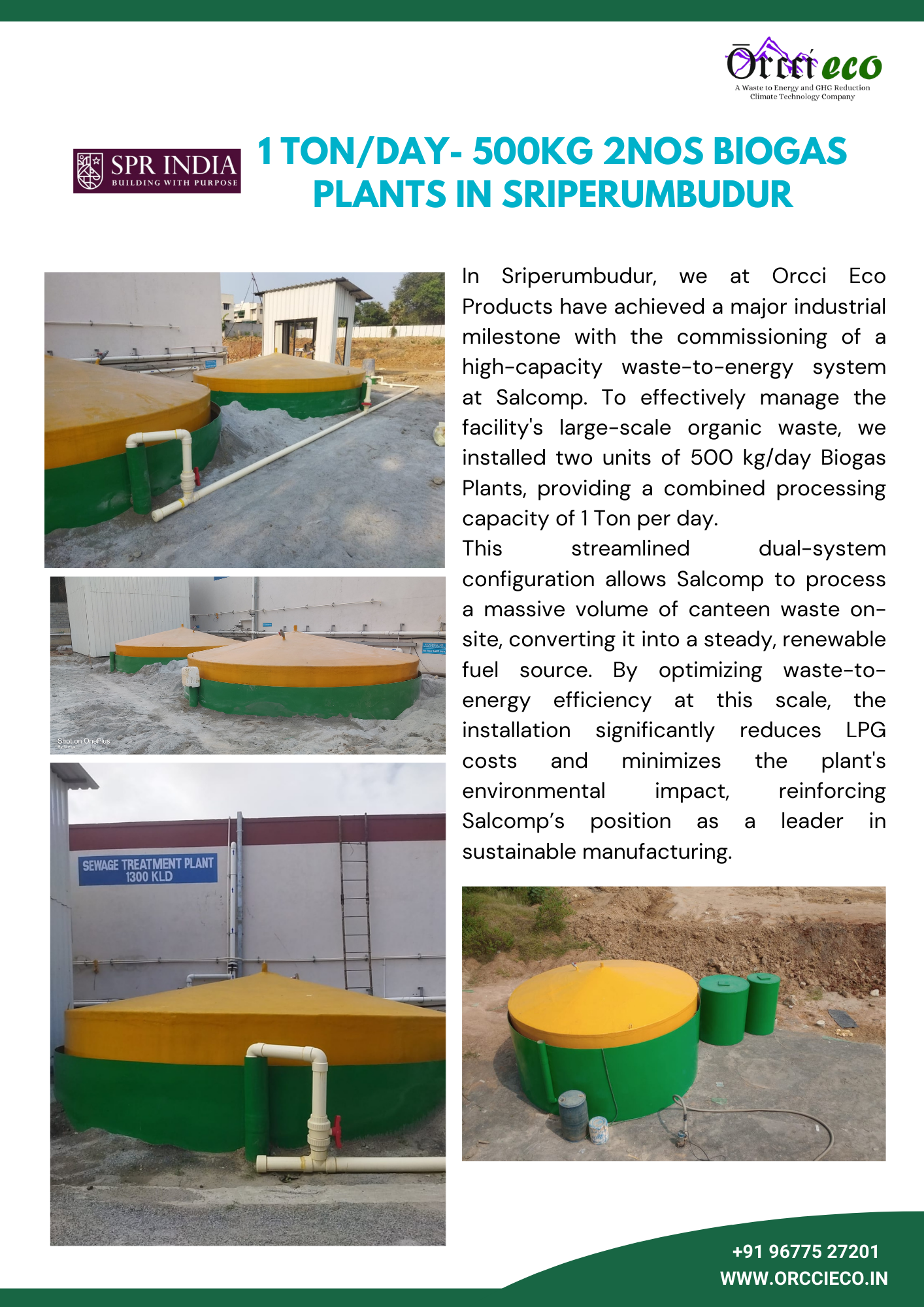
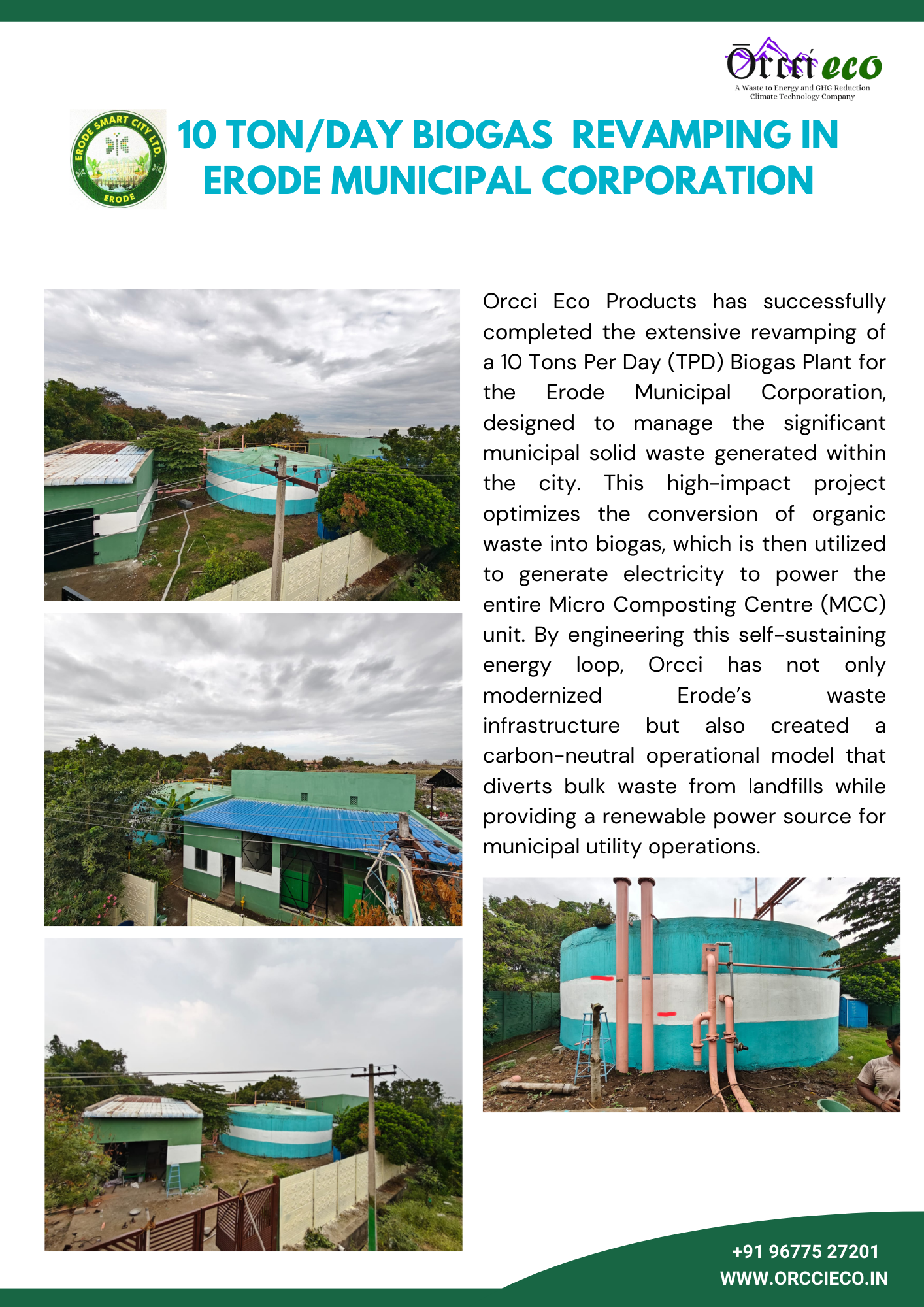
Biogas, refuse‑derived fuel (RDF), and waste‑to‑energy planning where appropriate — designed to maximise environmental benefits.
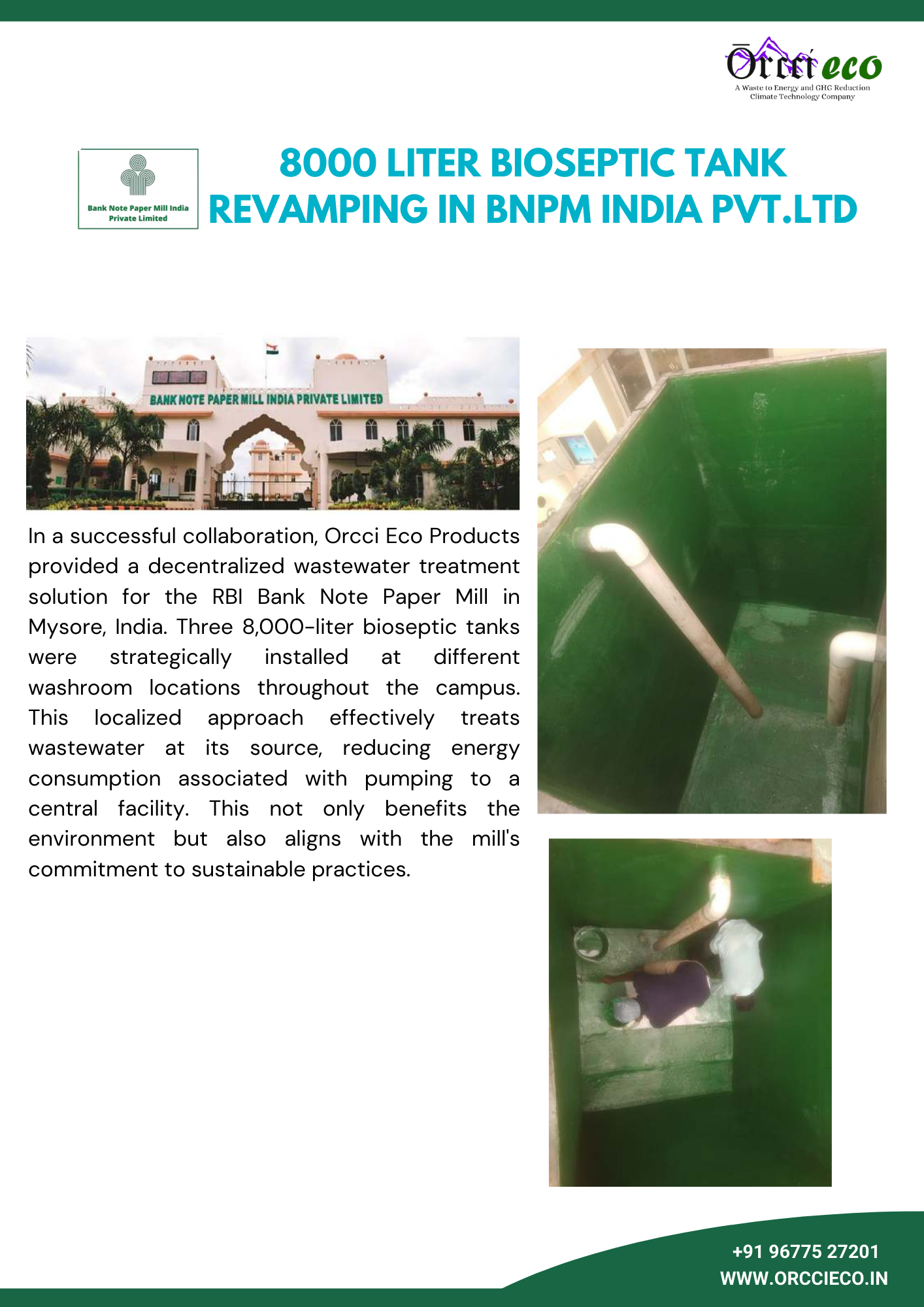
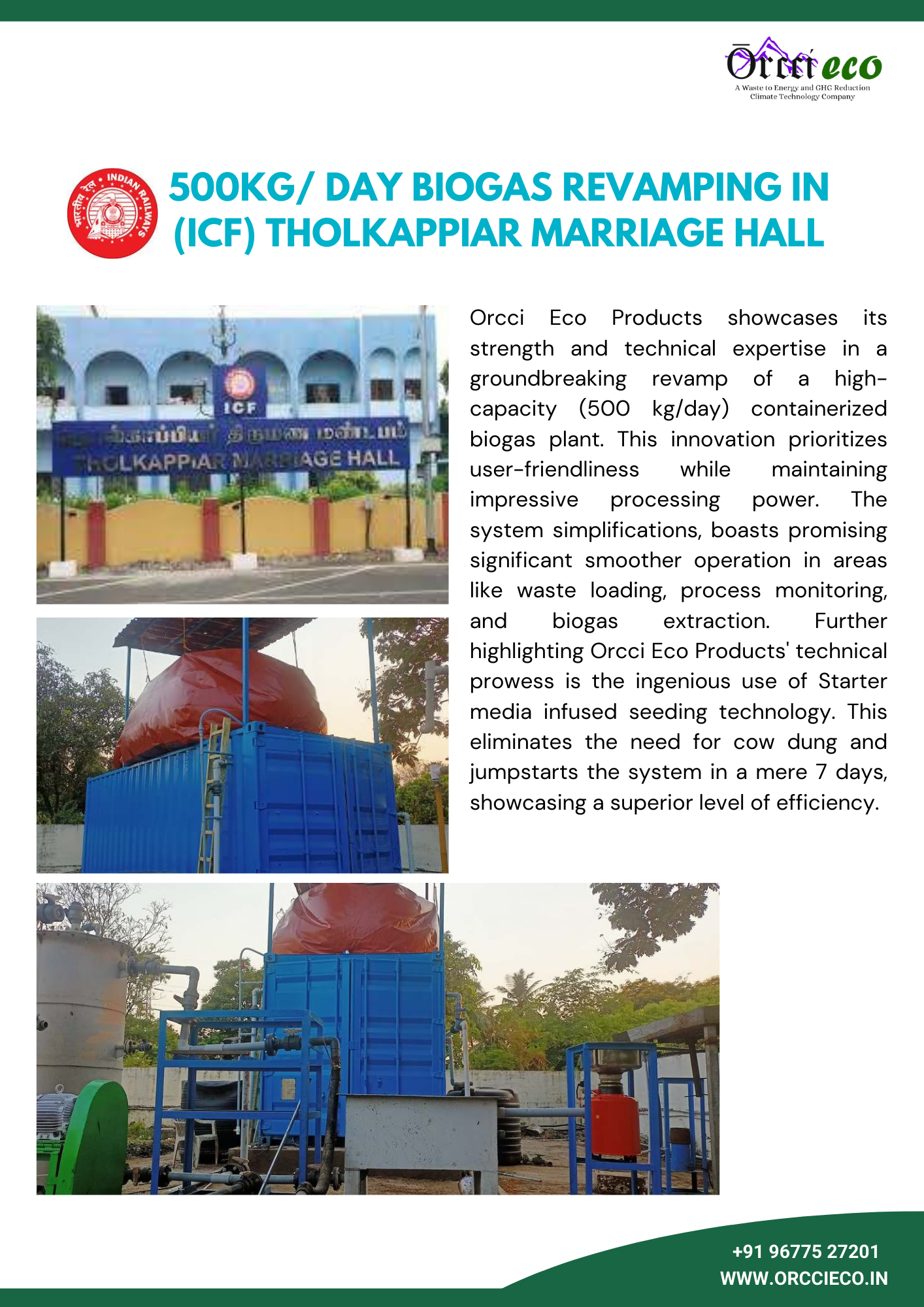
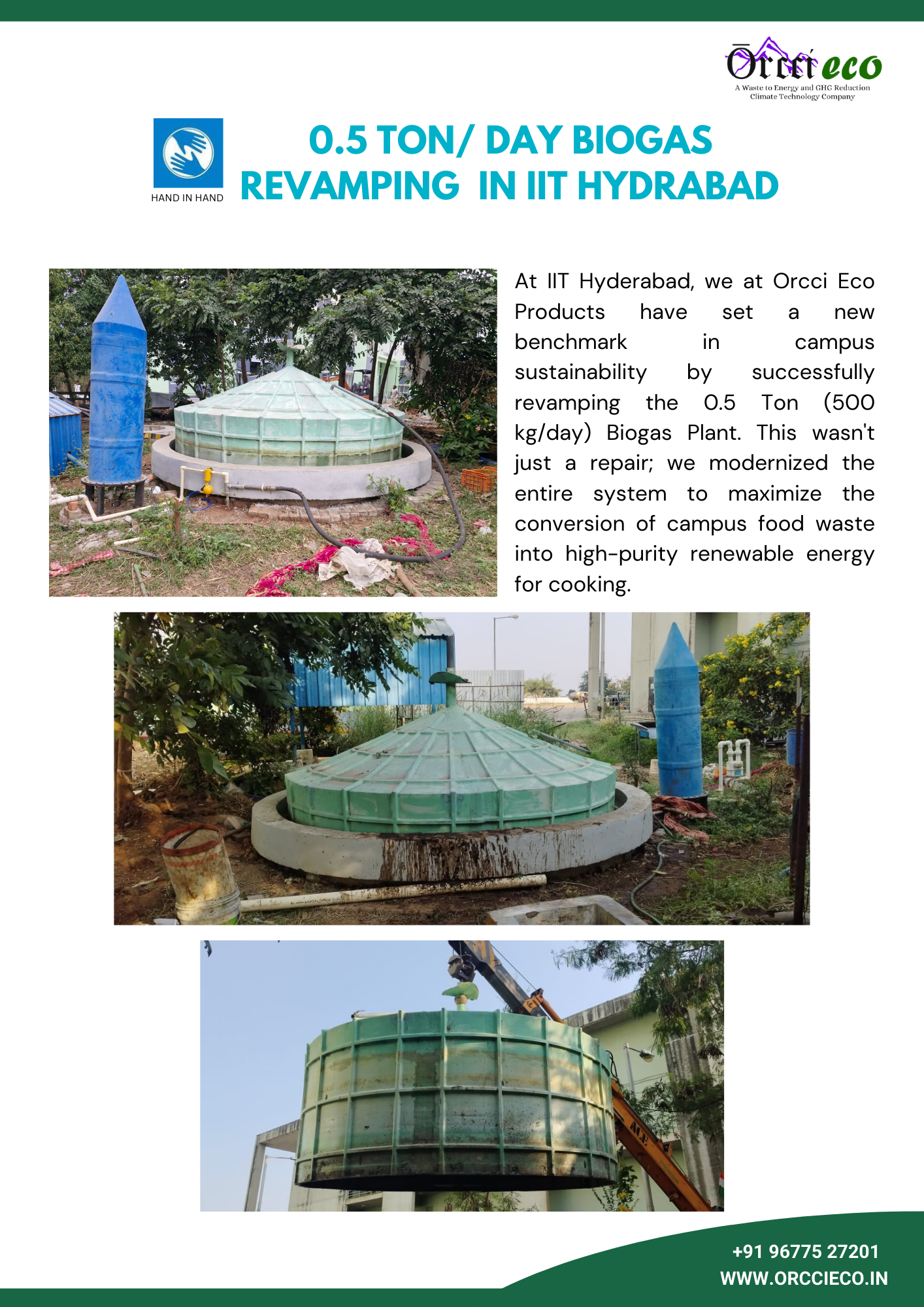
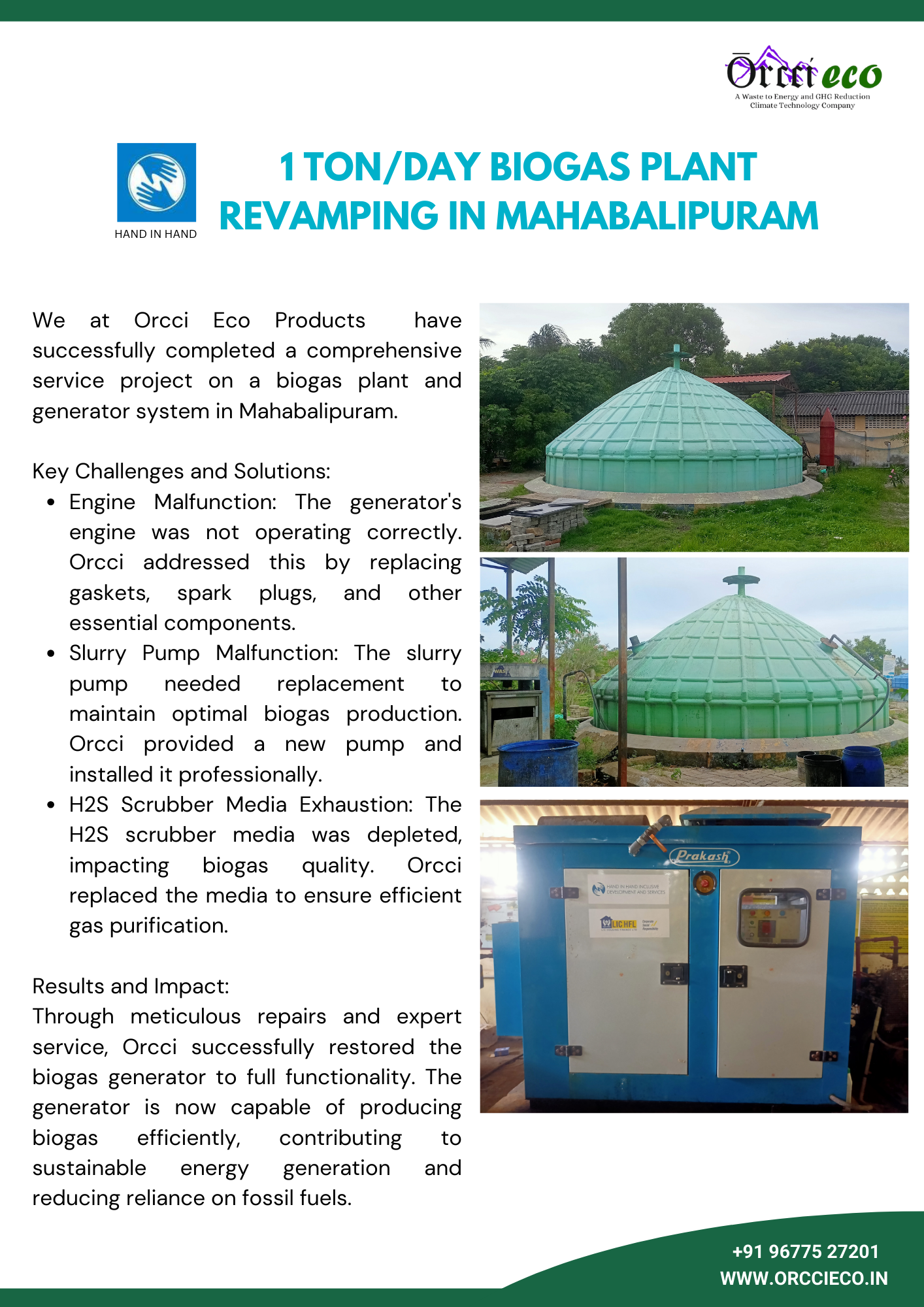
Is your expensive biogas plant sitting idle due to technical failure? We specialize in diagnosing and upgrading abandoned plants, restoring them to peak performance so your investment finally starts working for you.
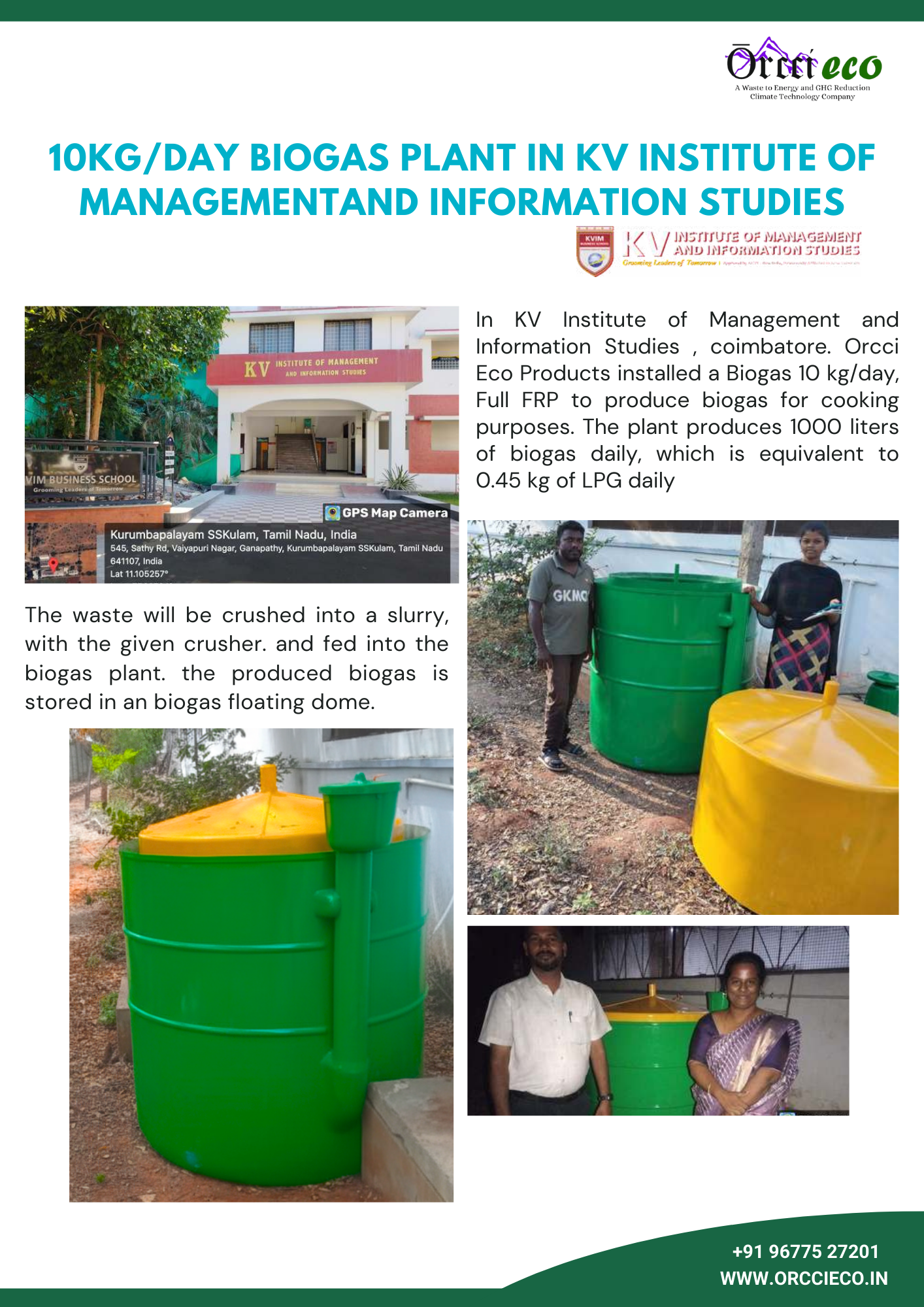
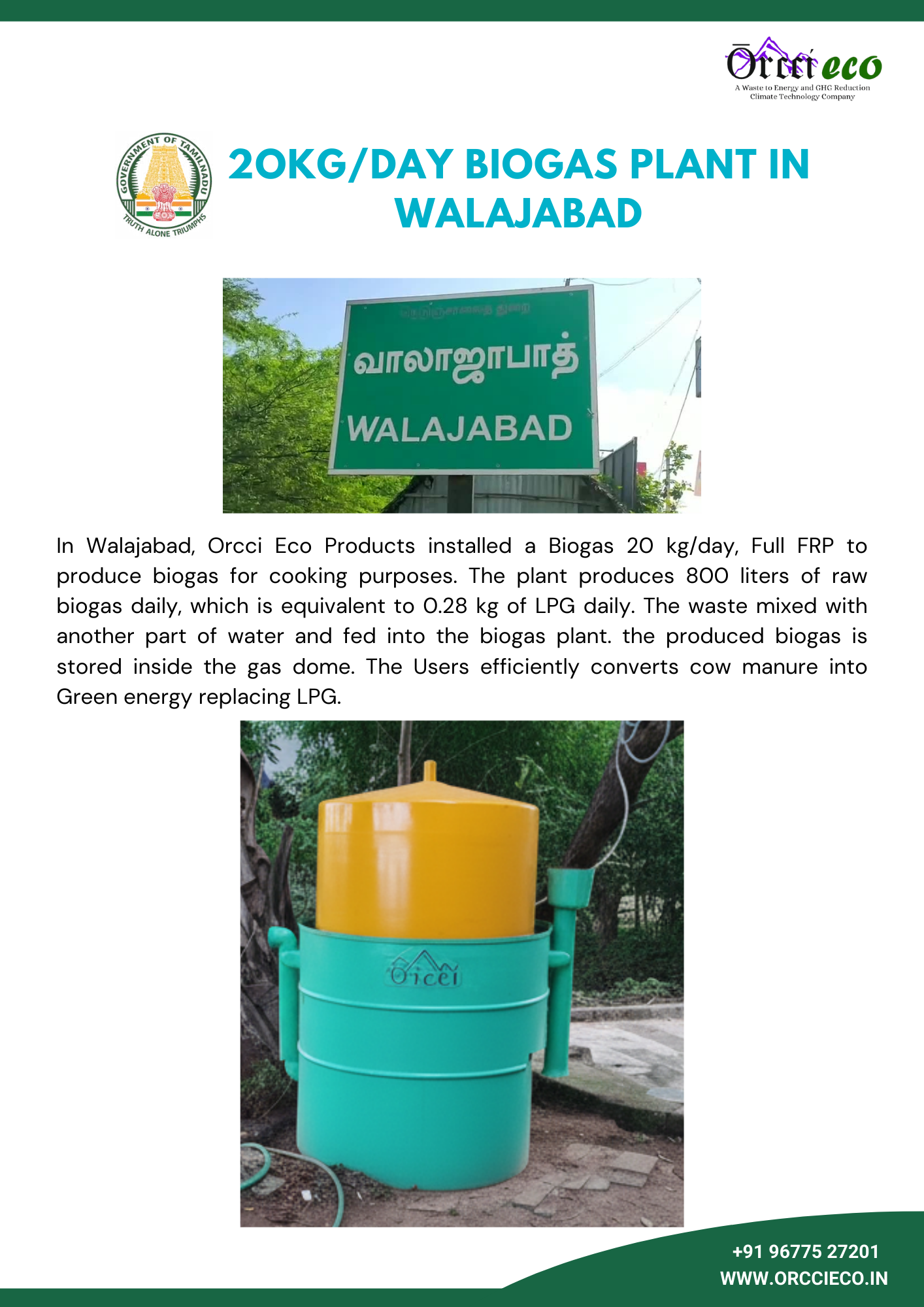
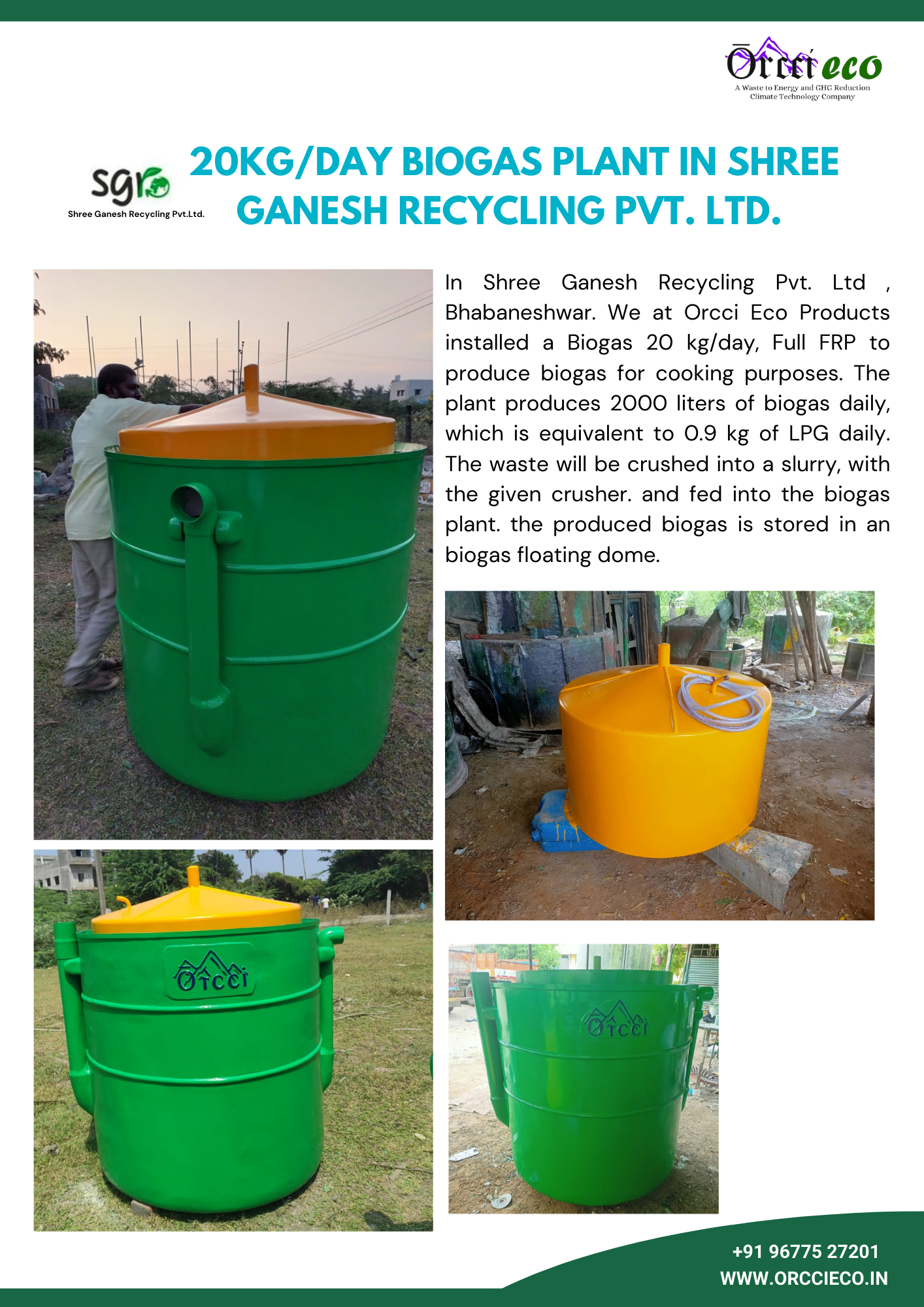
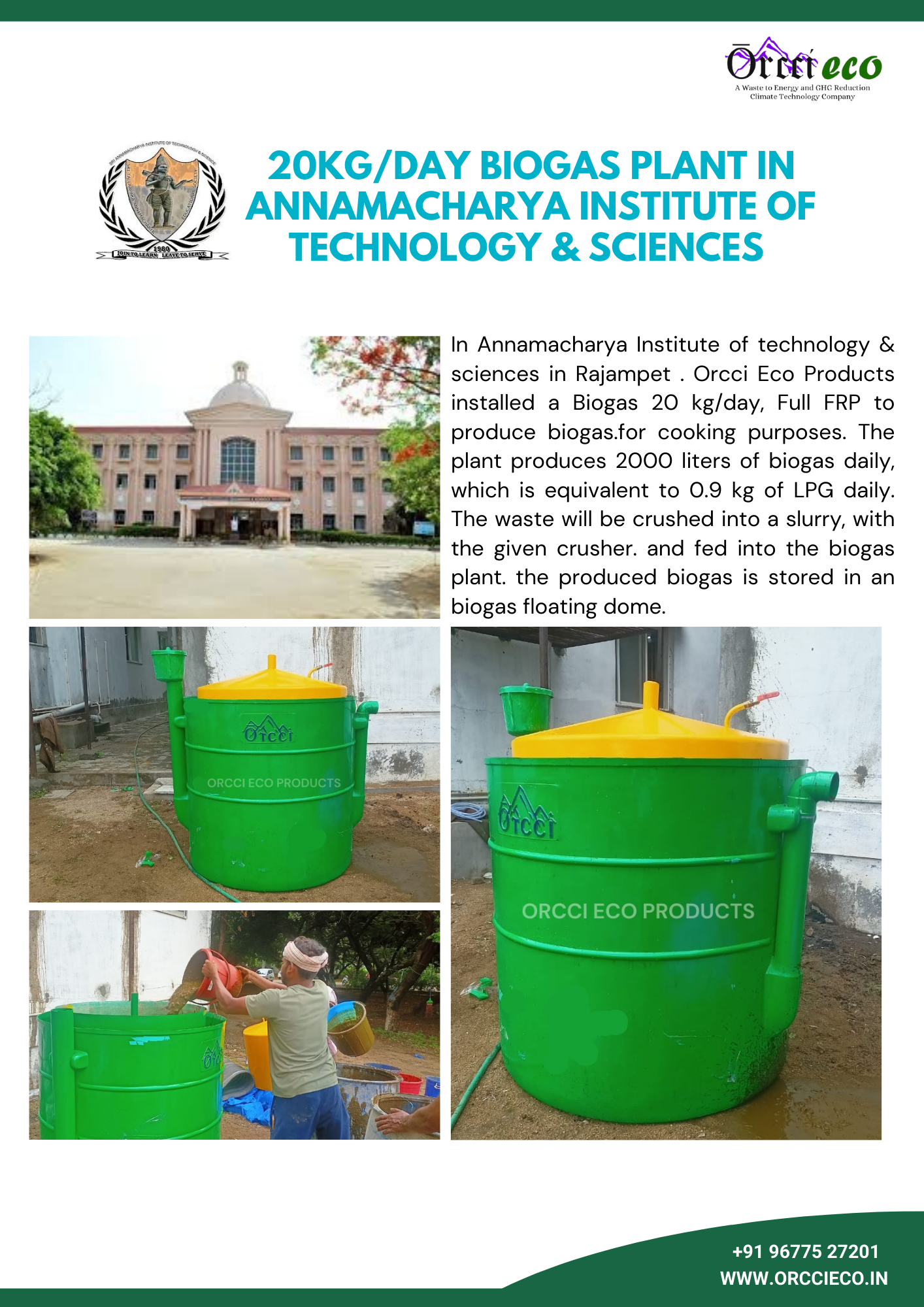
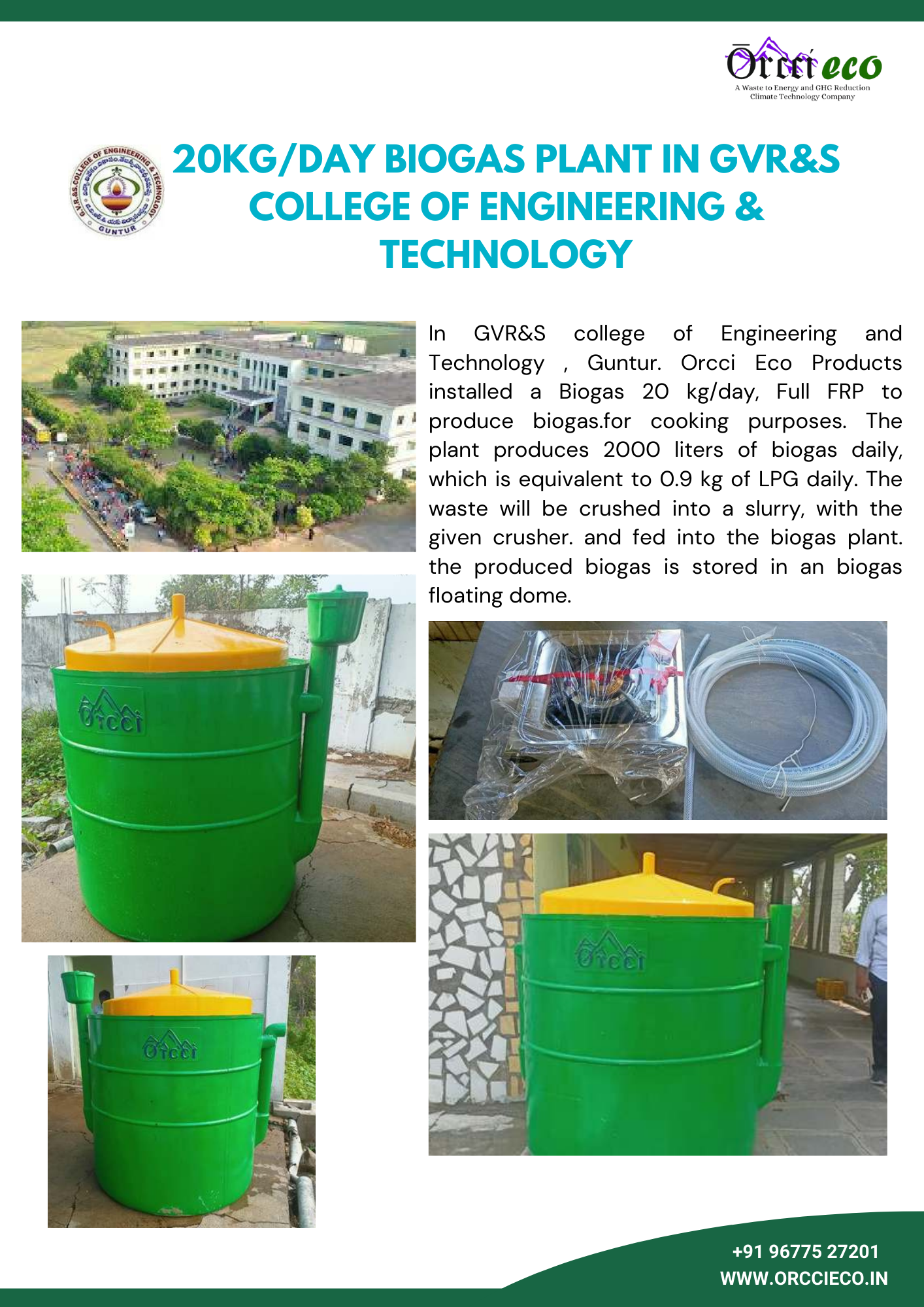
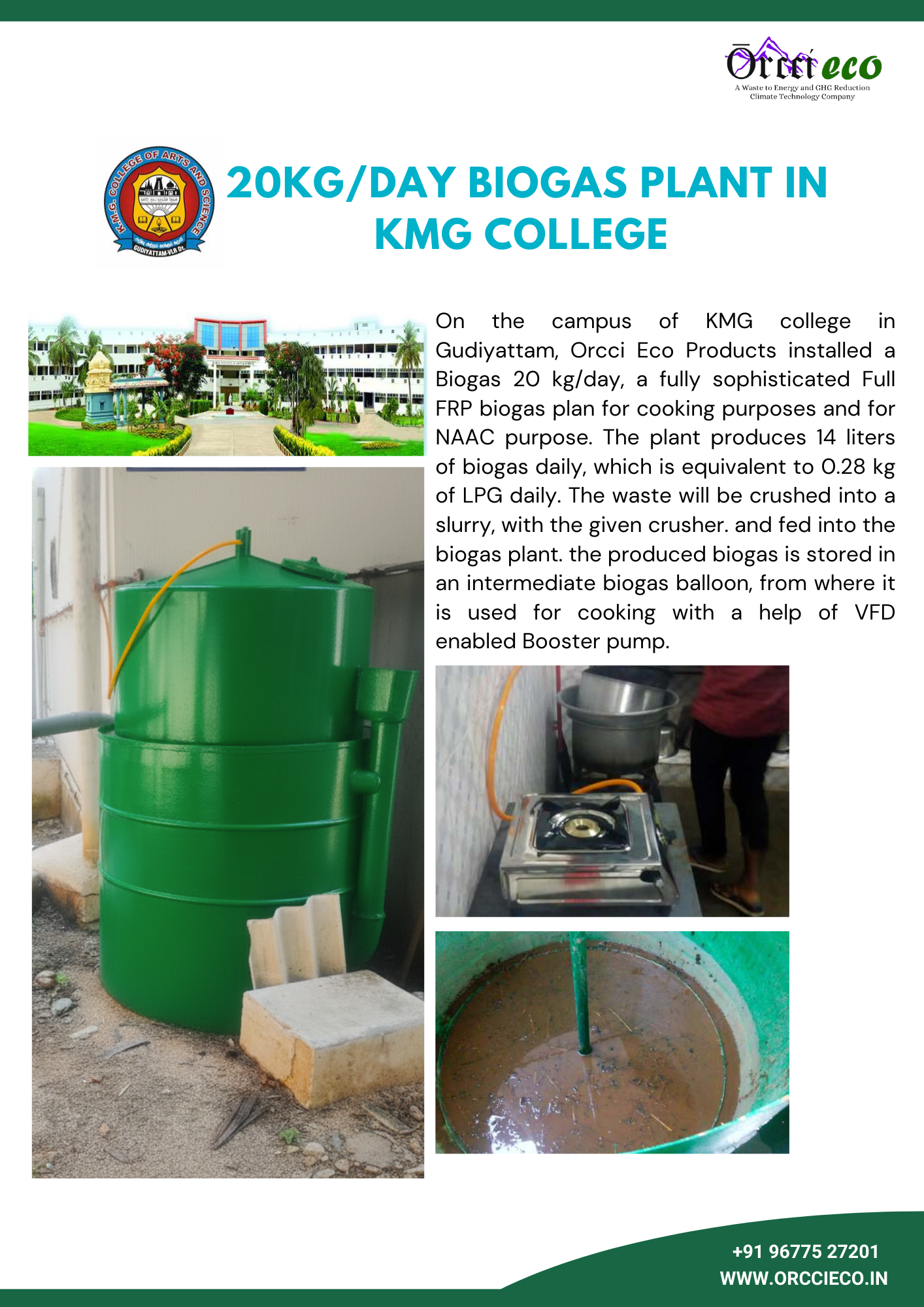
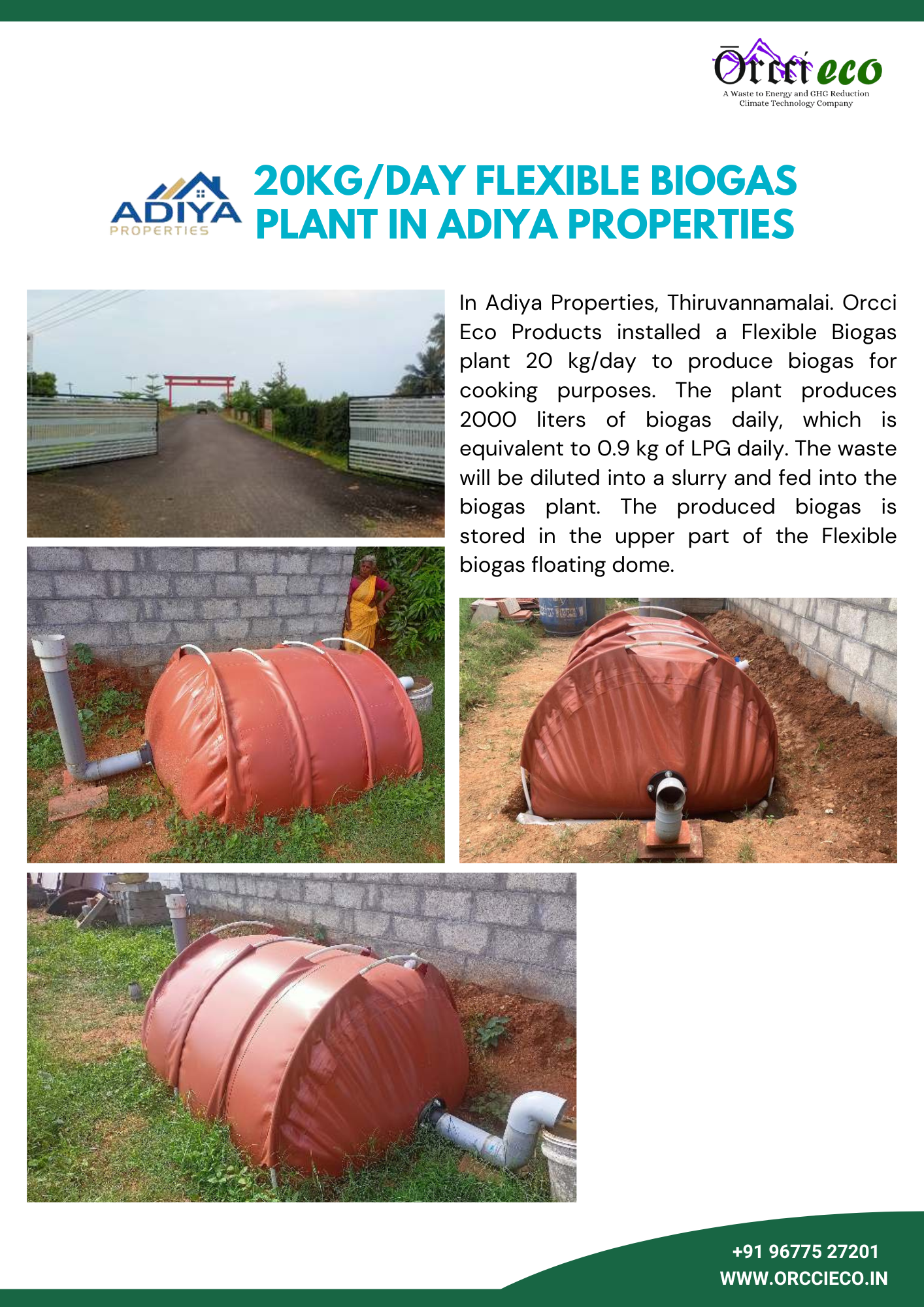
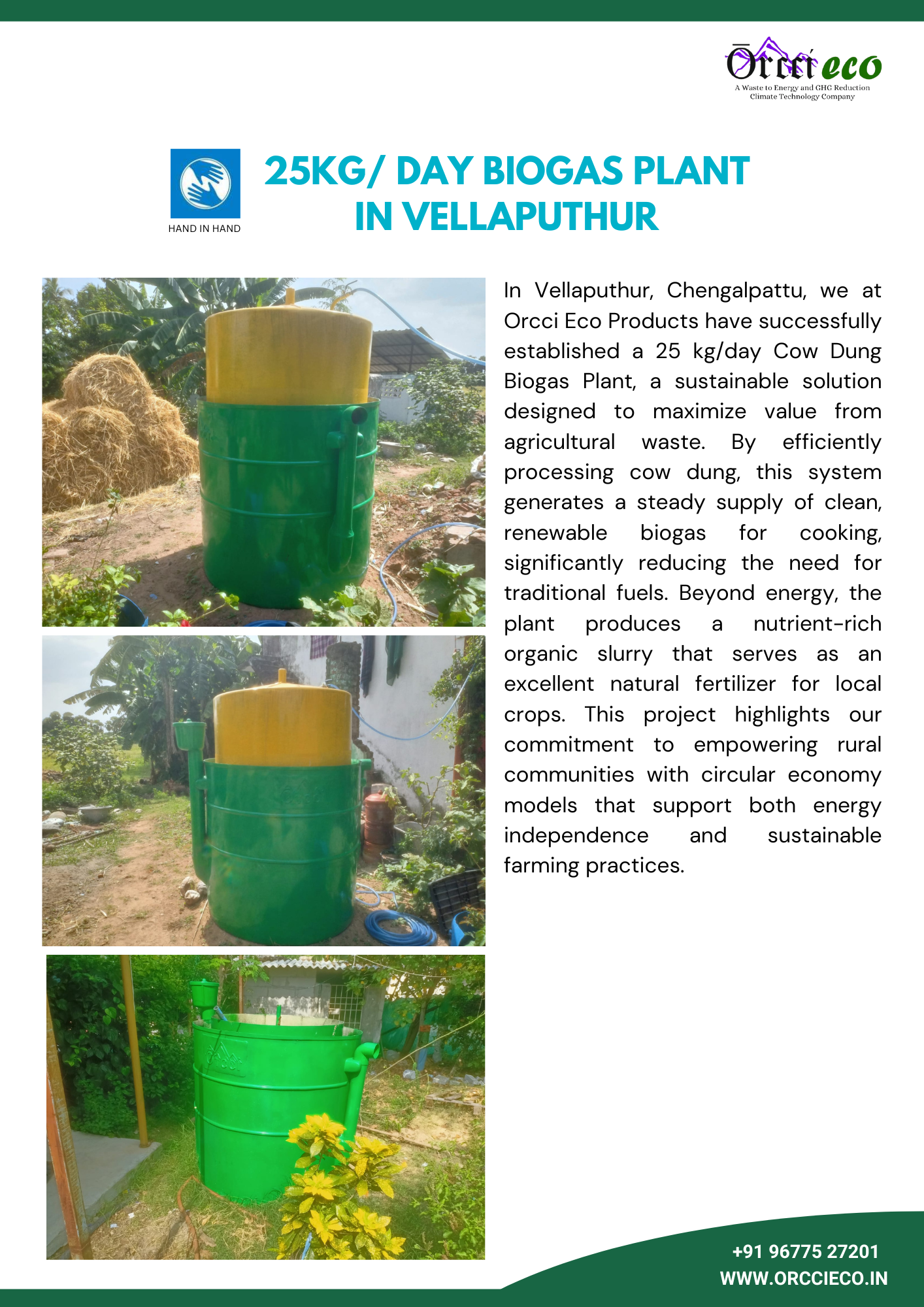
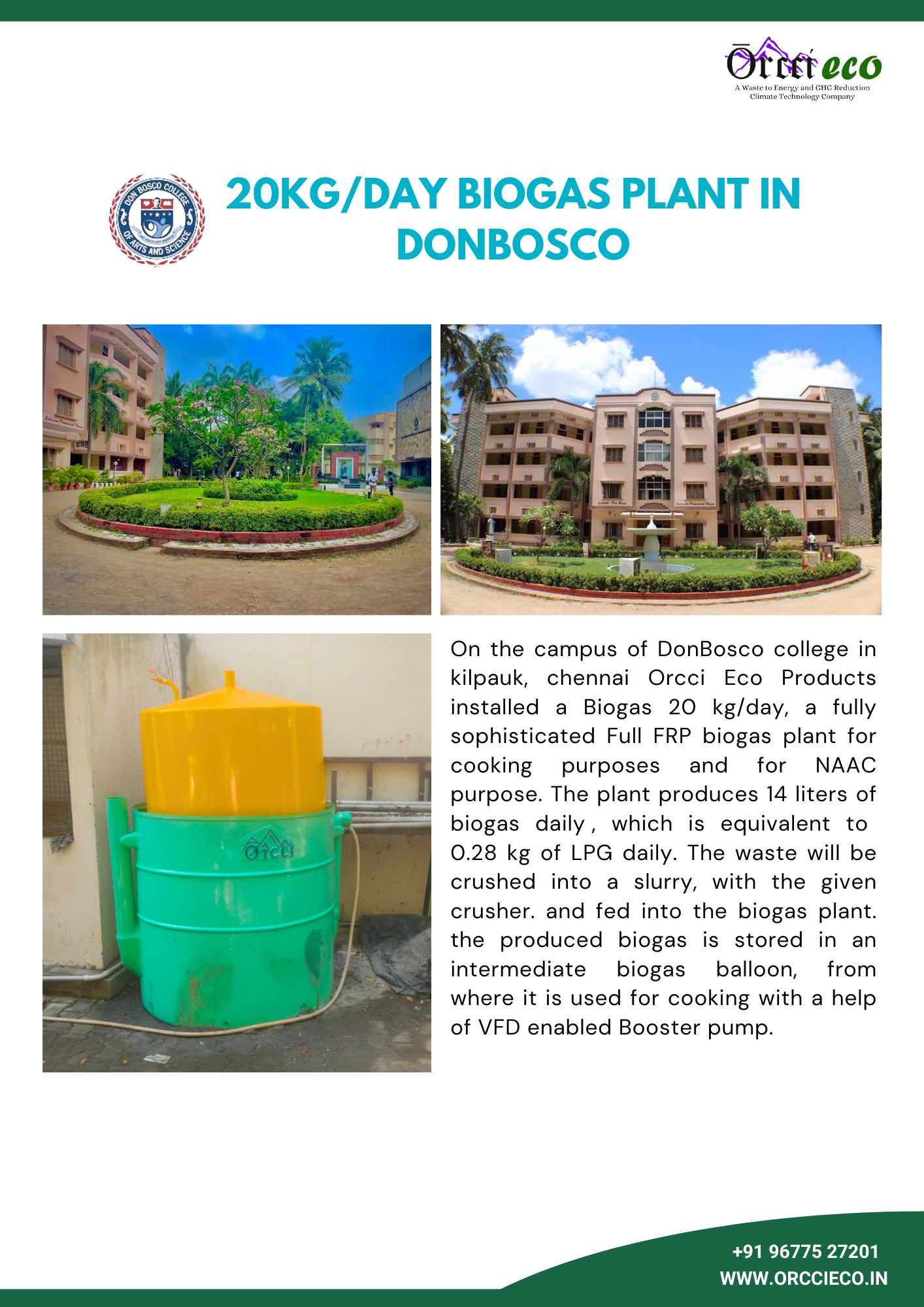
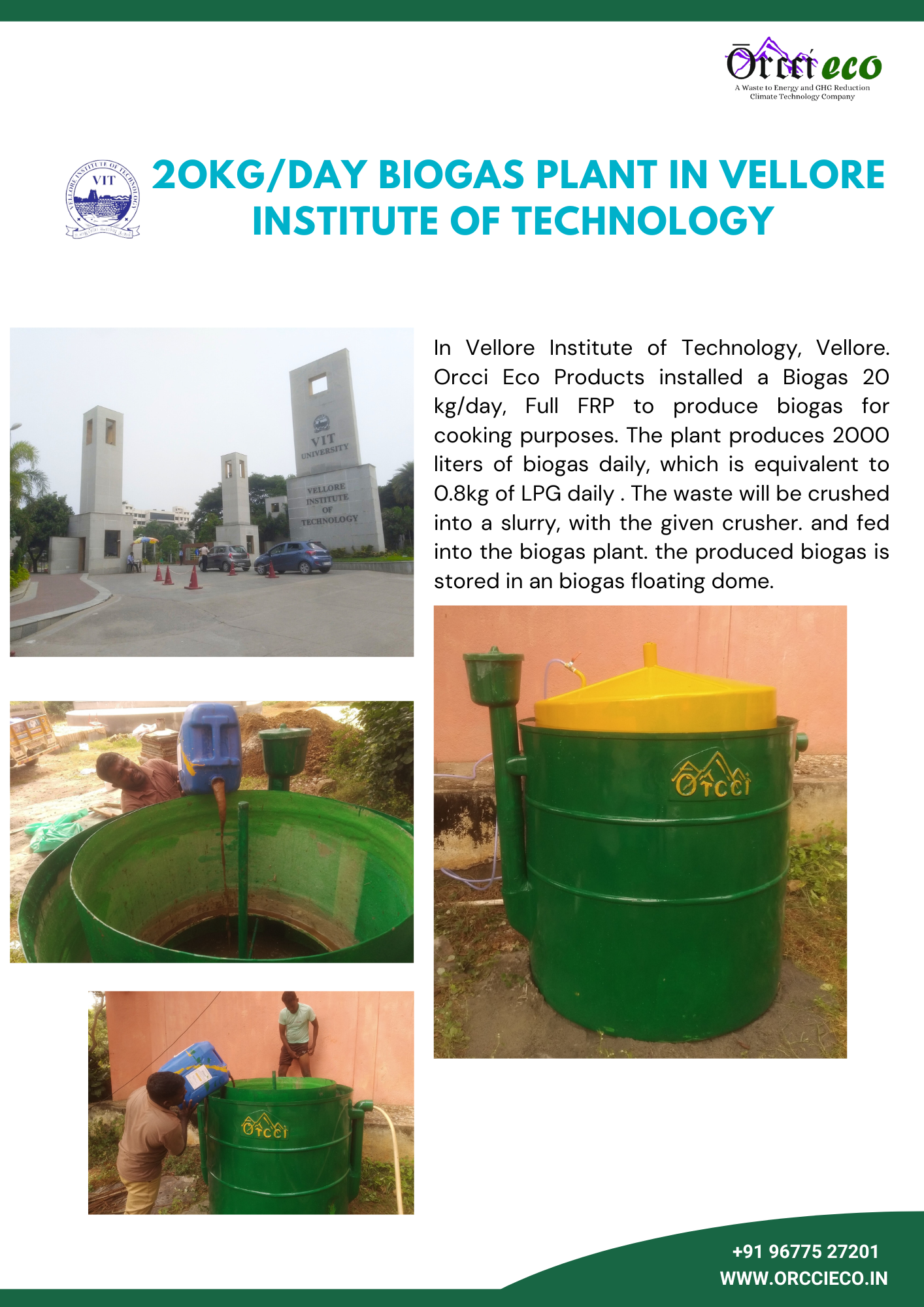
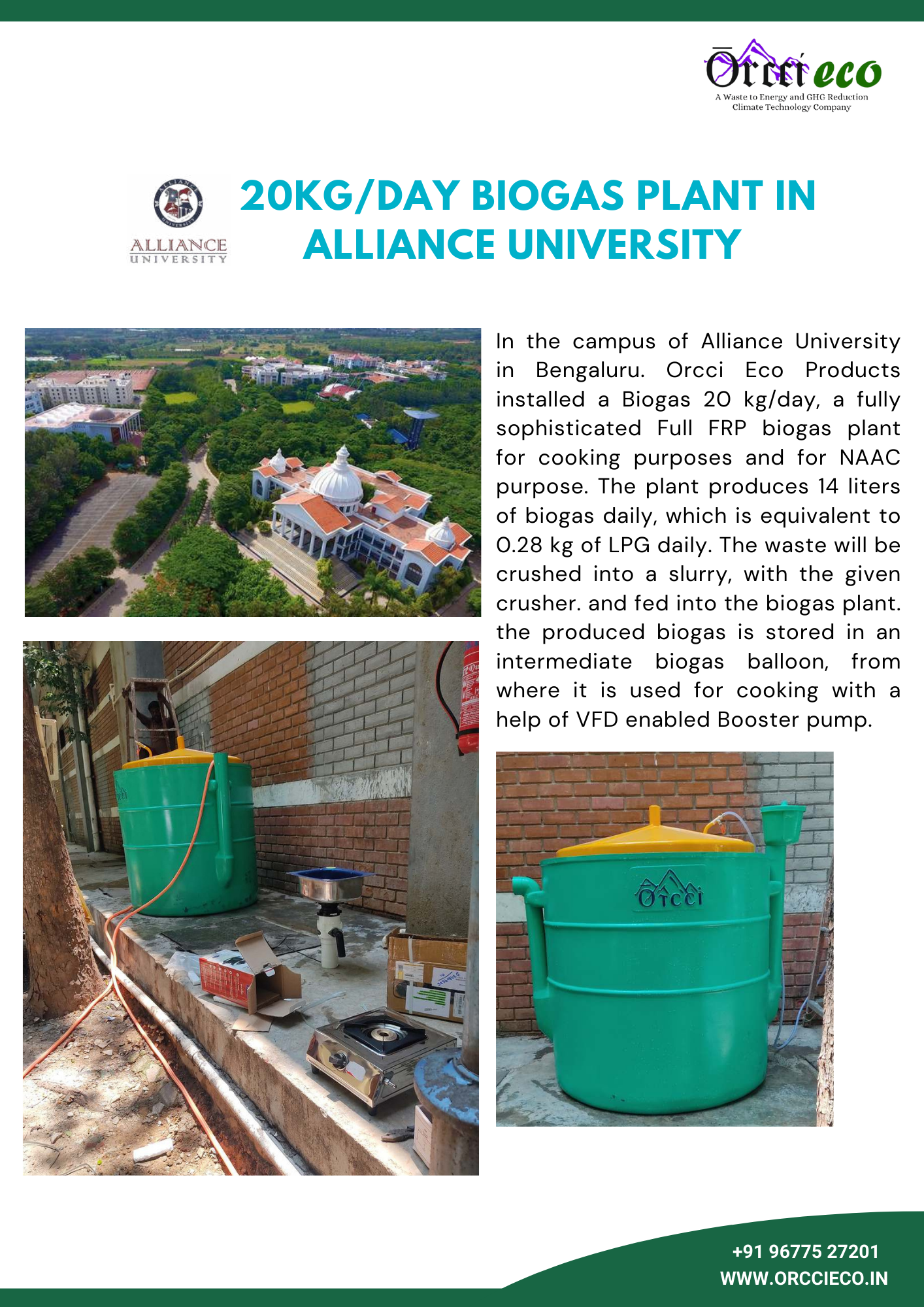
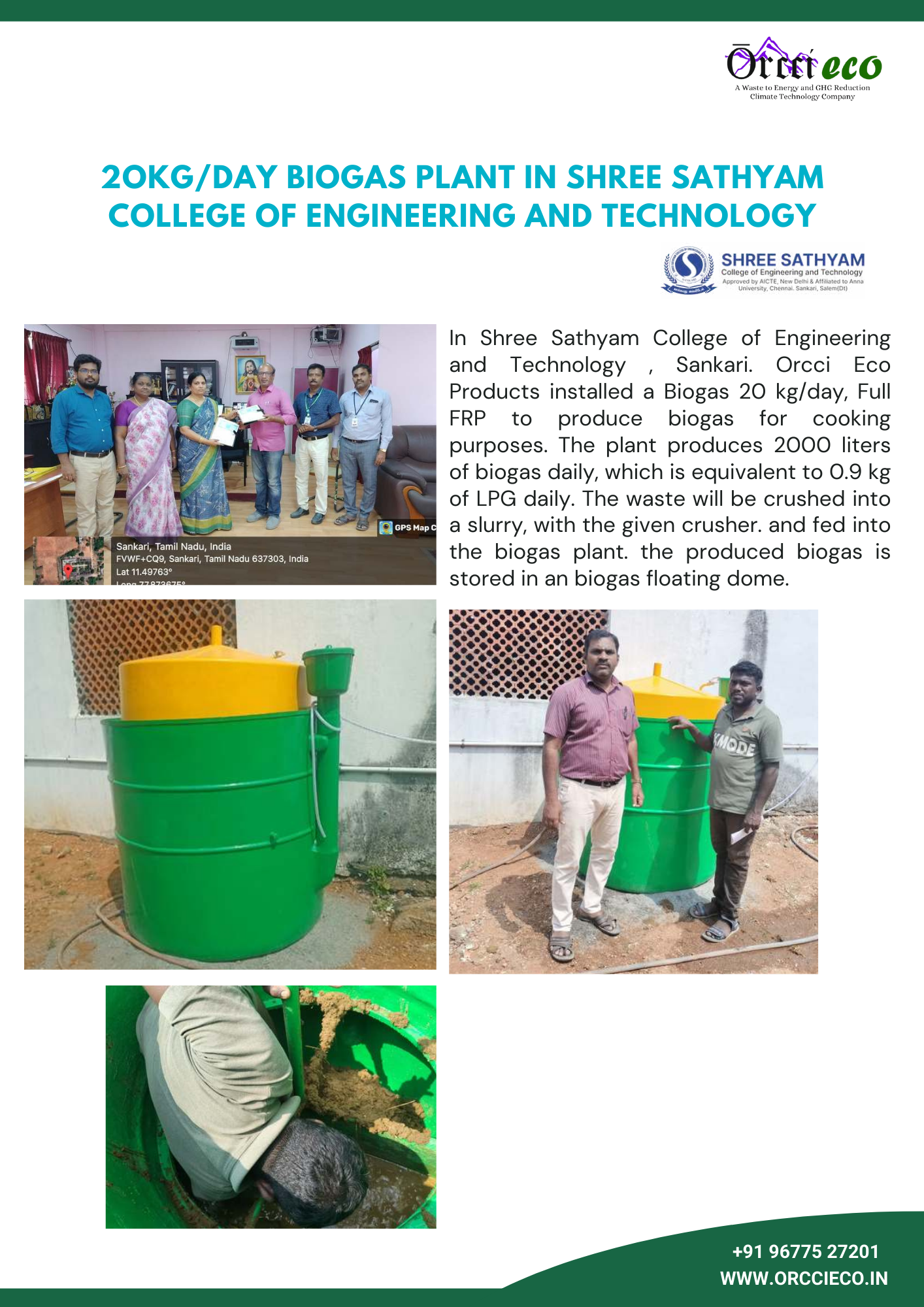
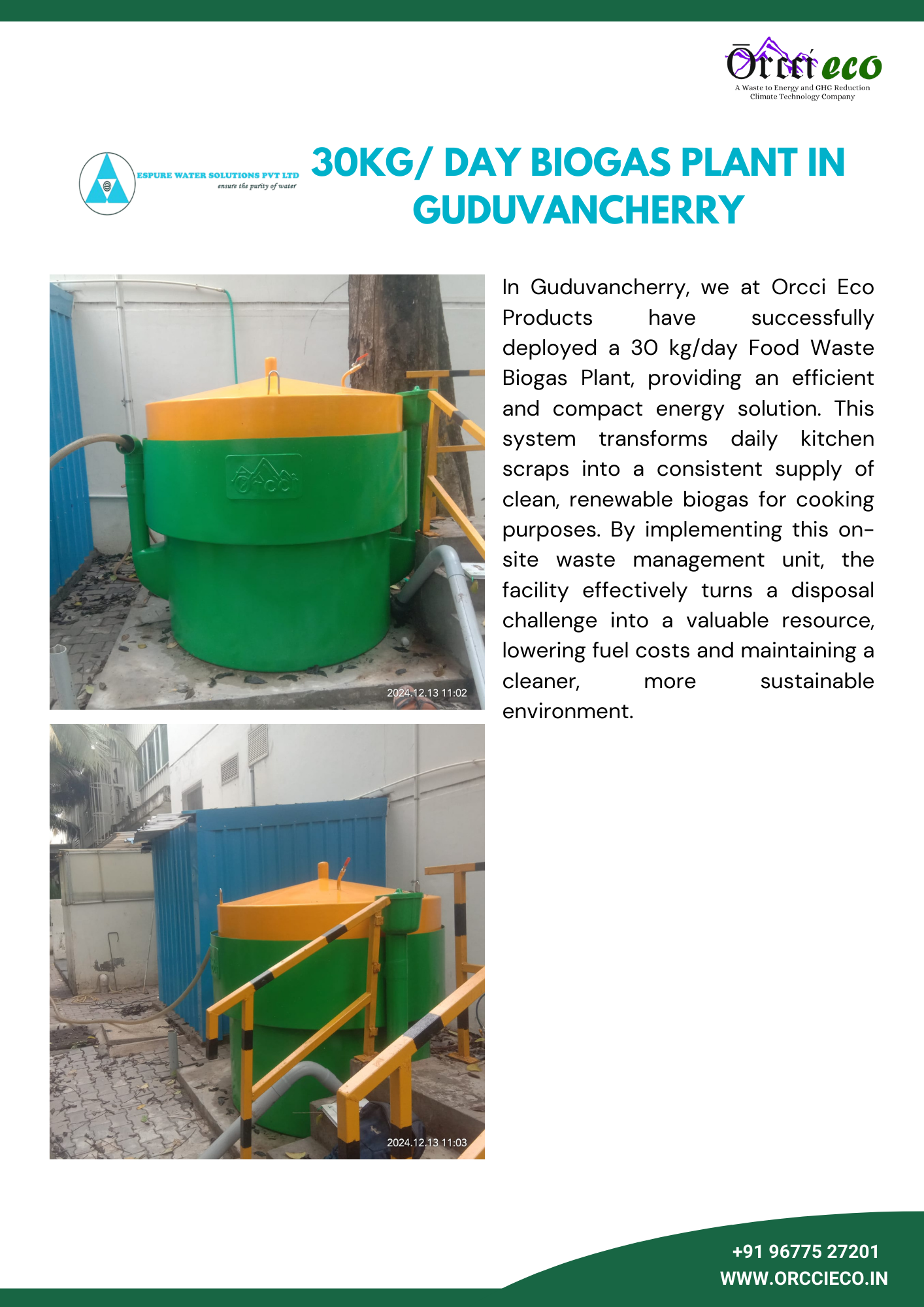
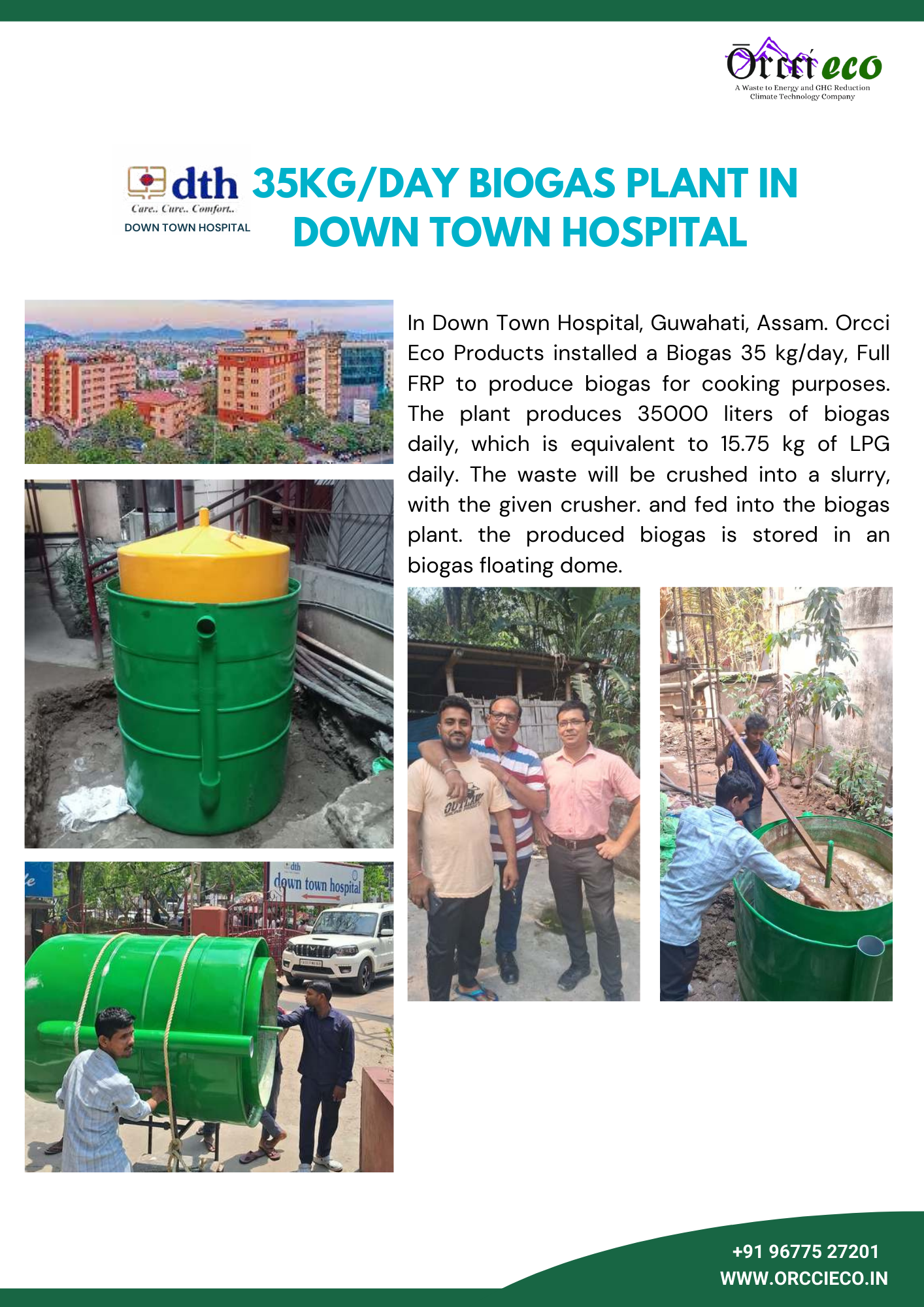
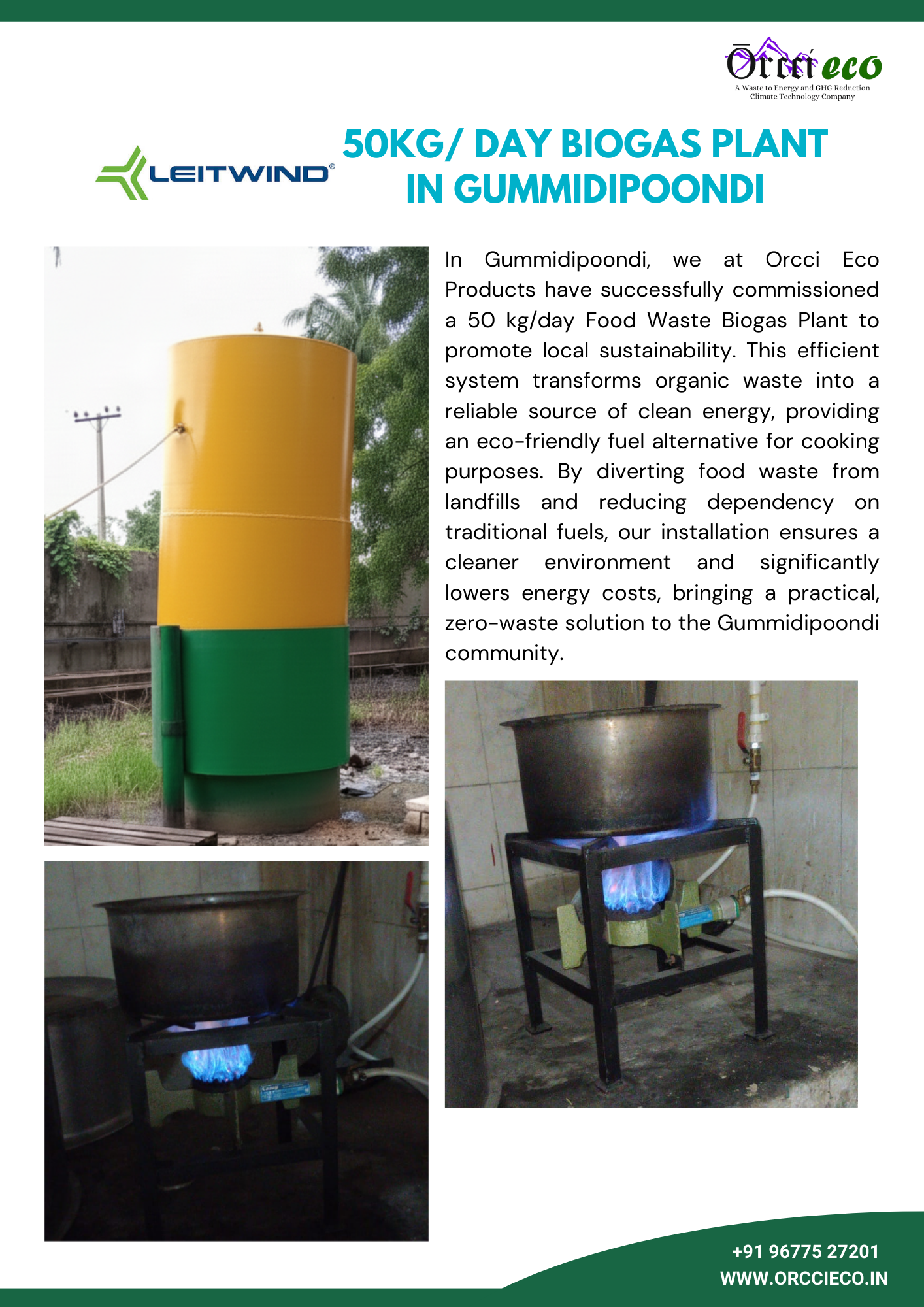
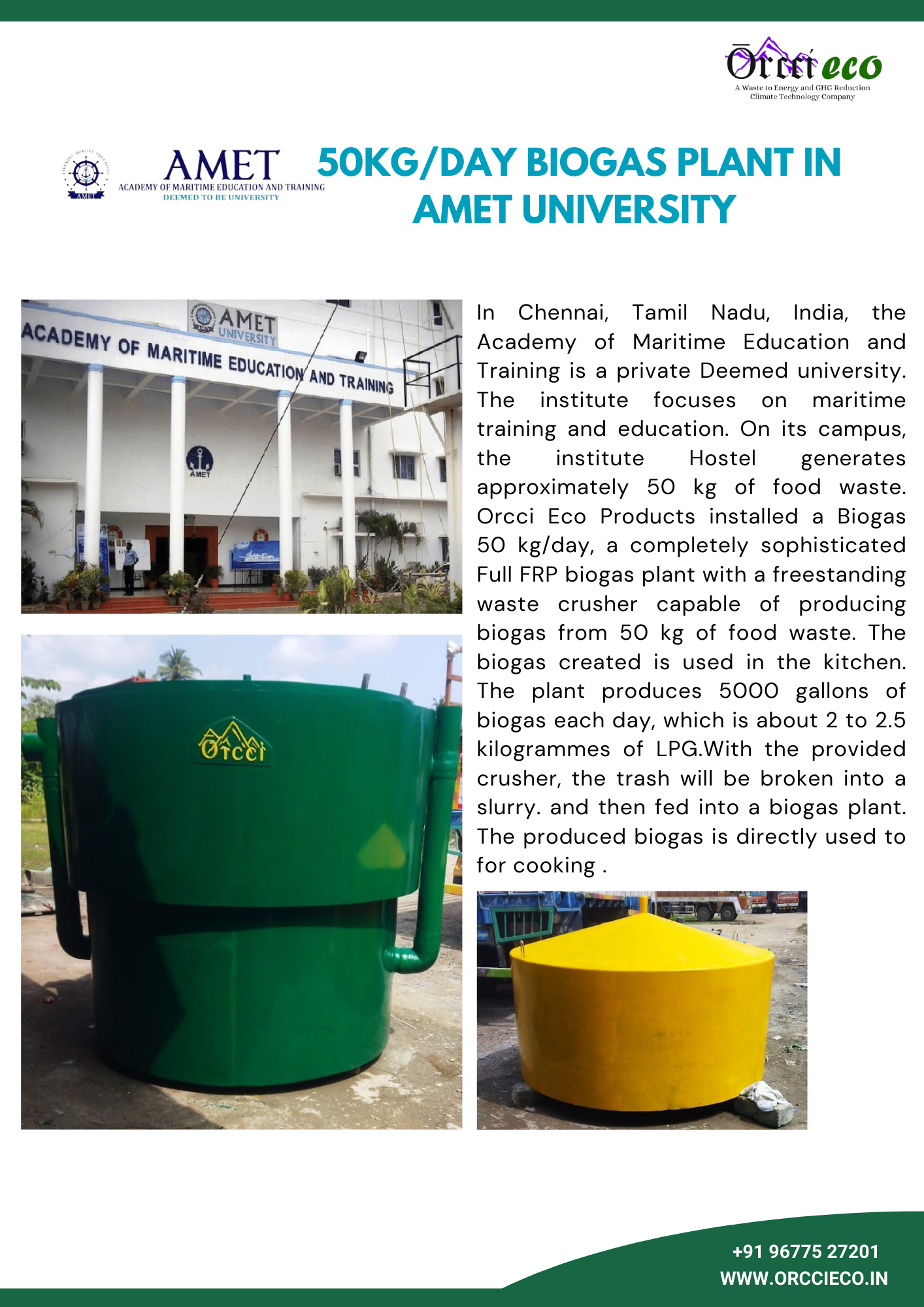
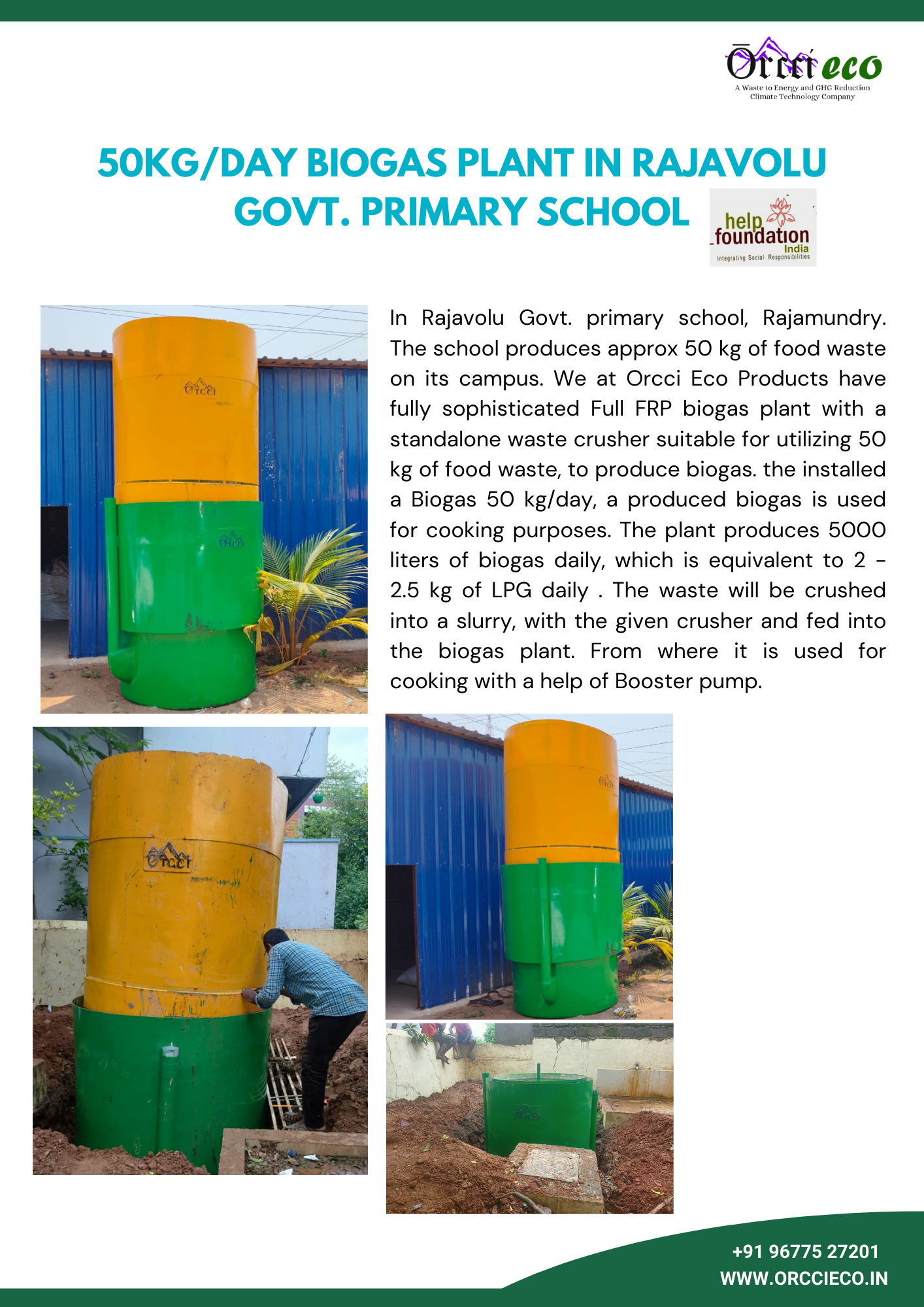
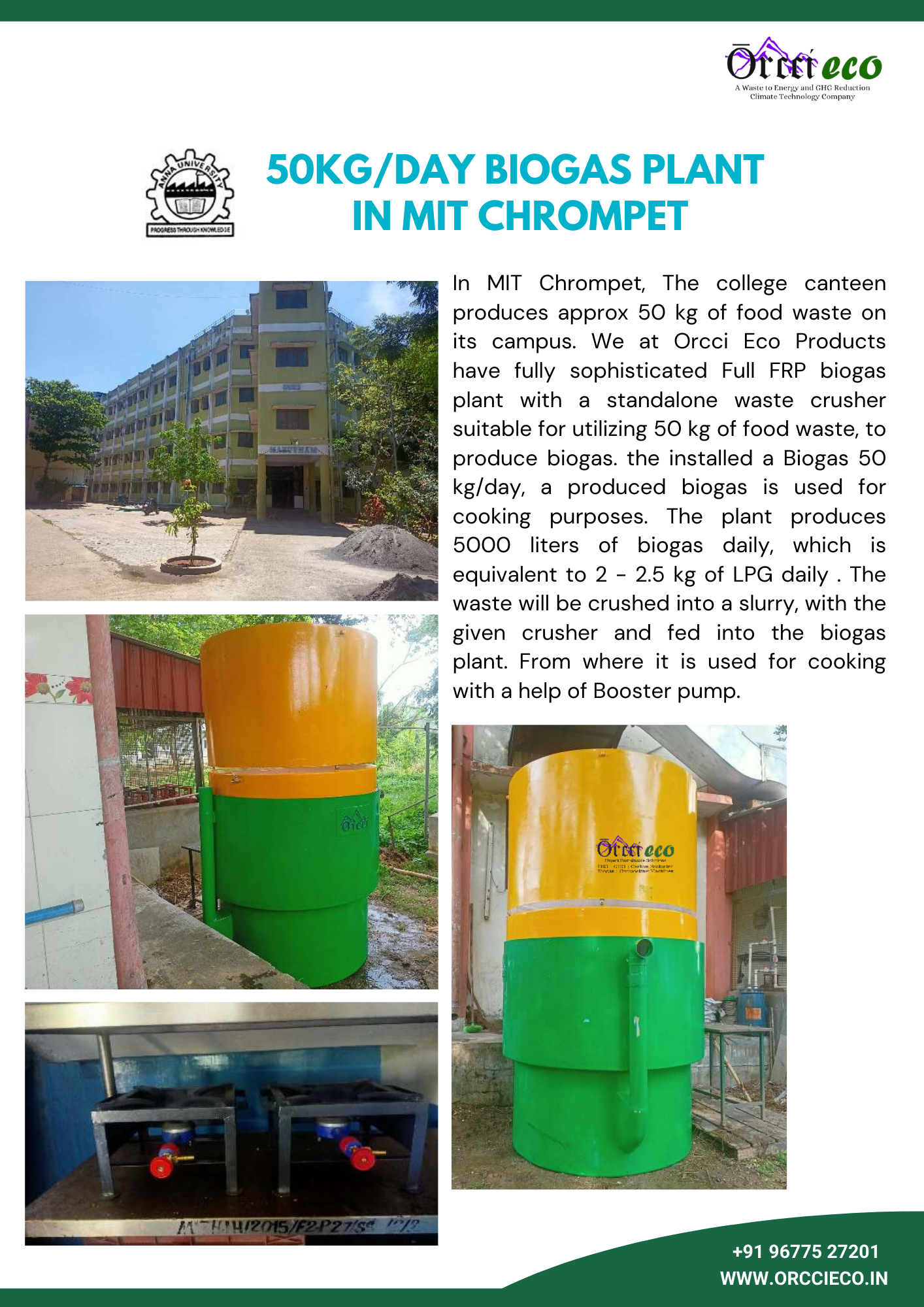
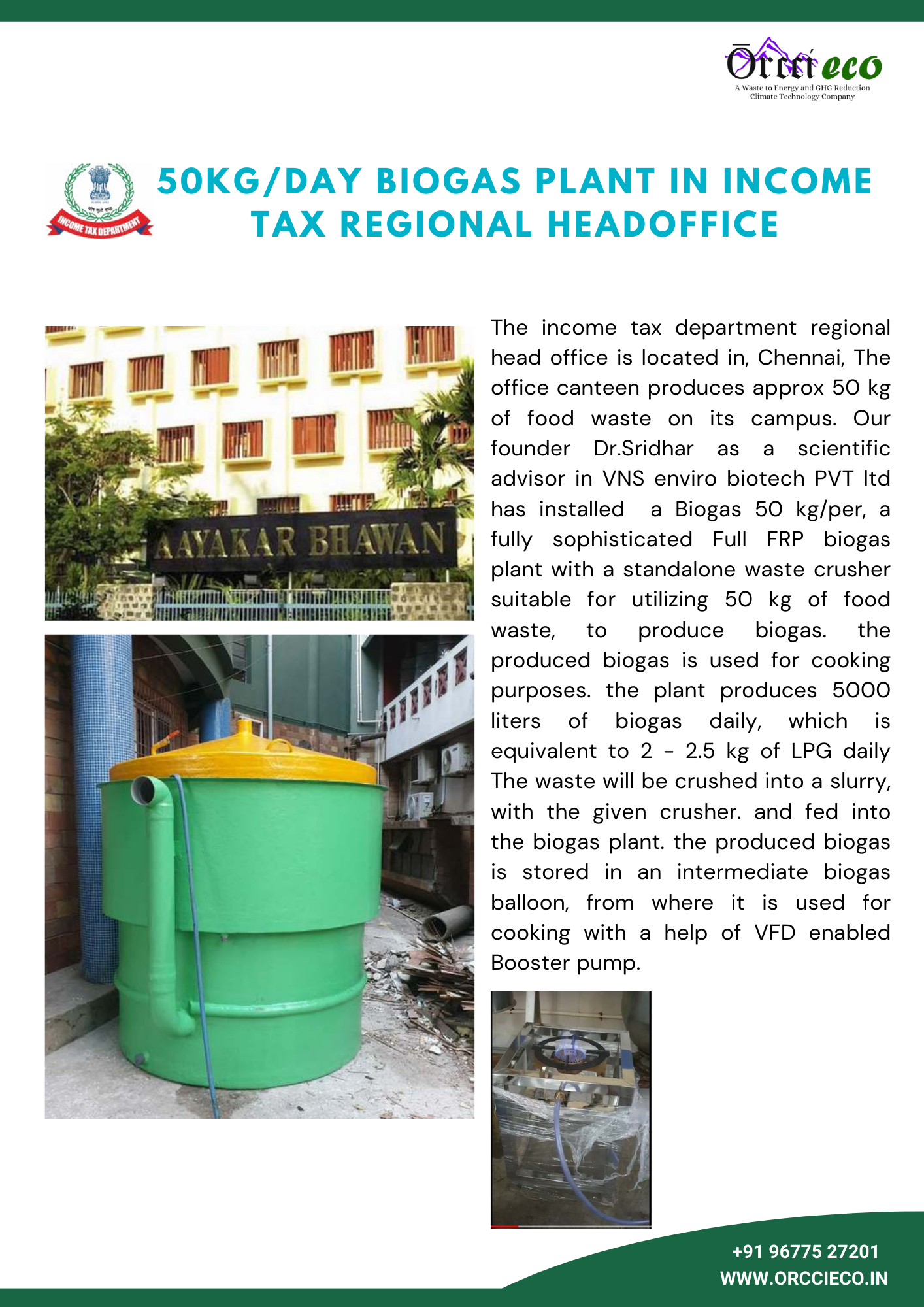
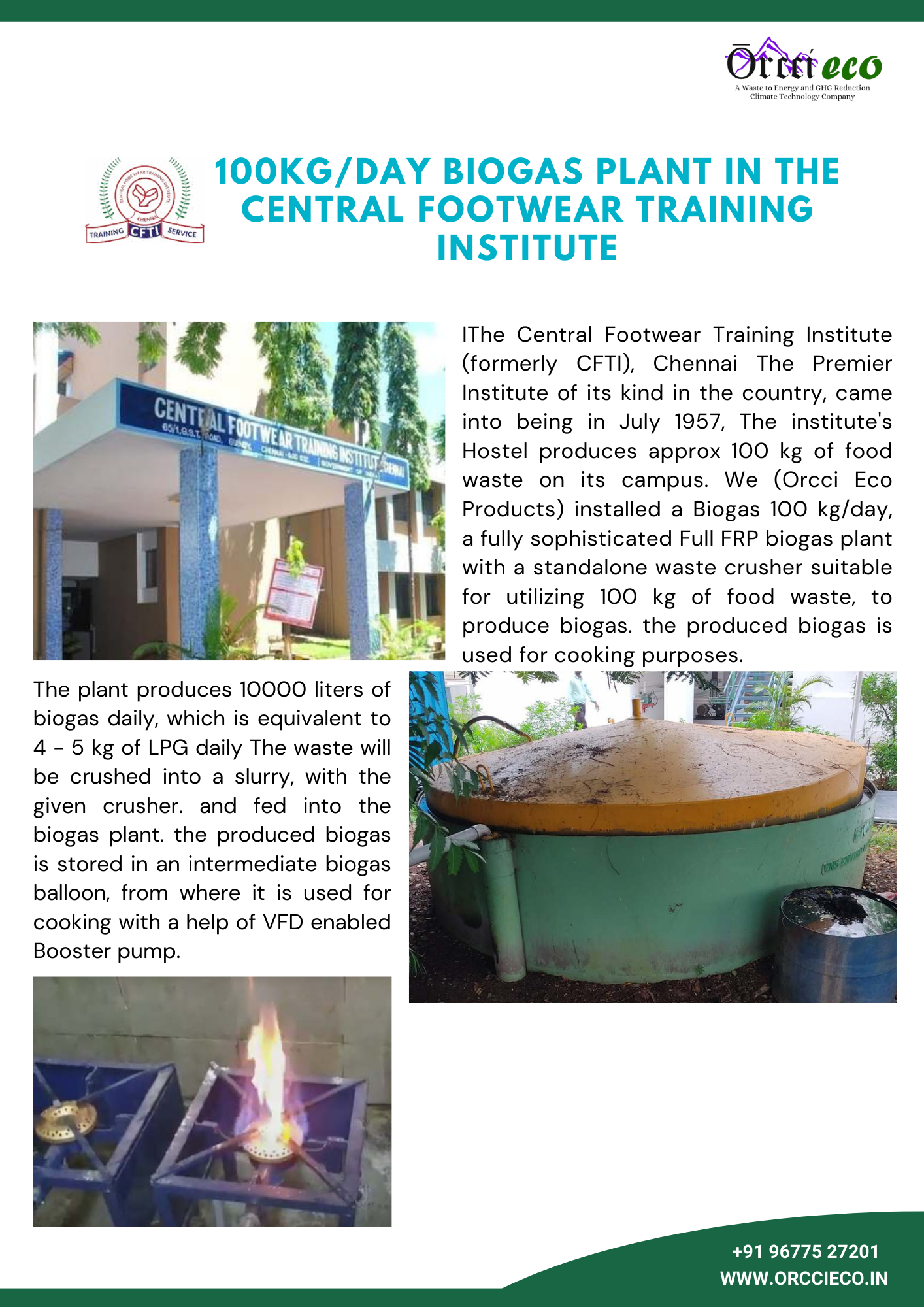
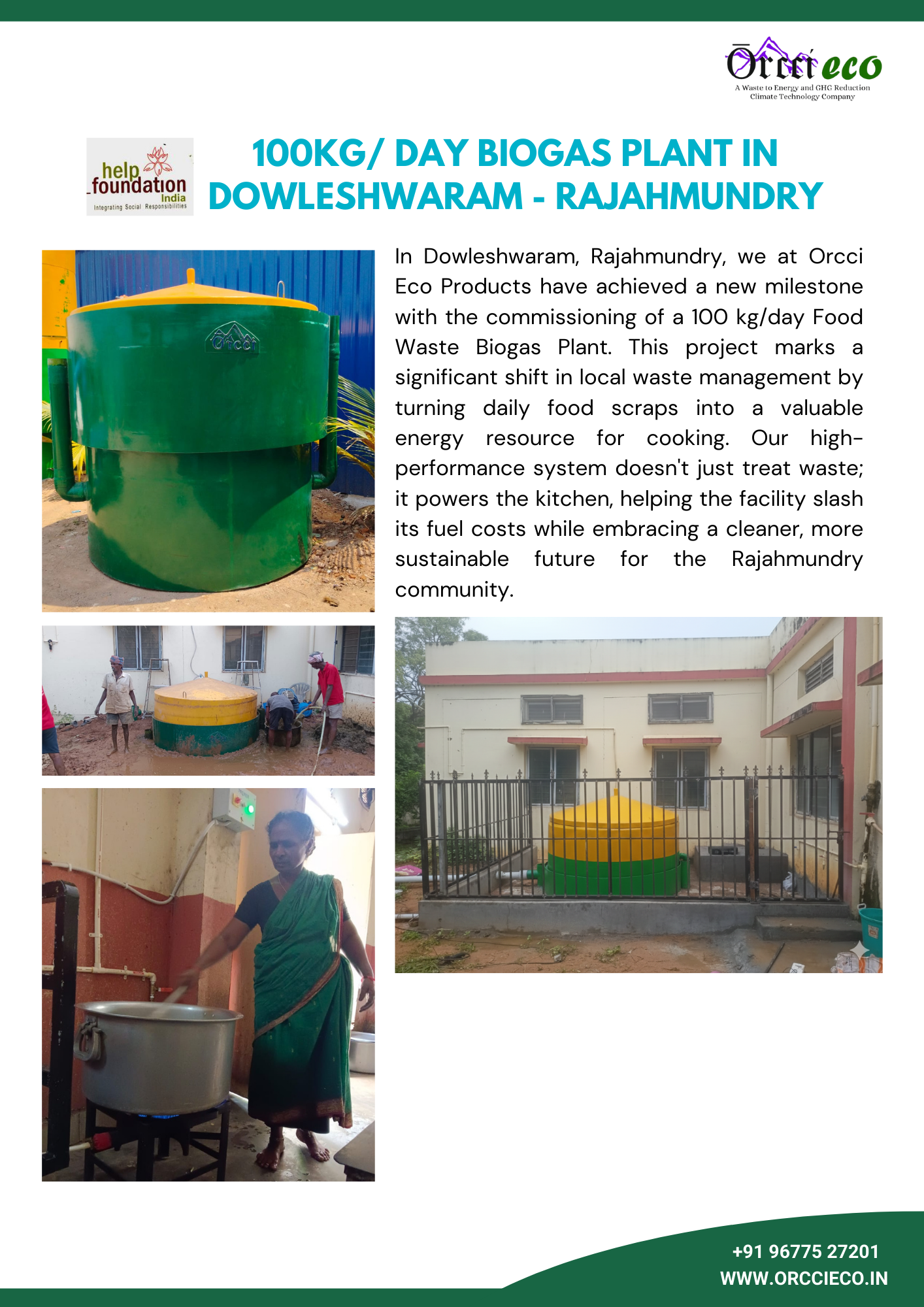
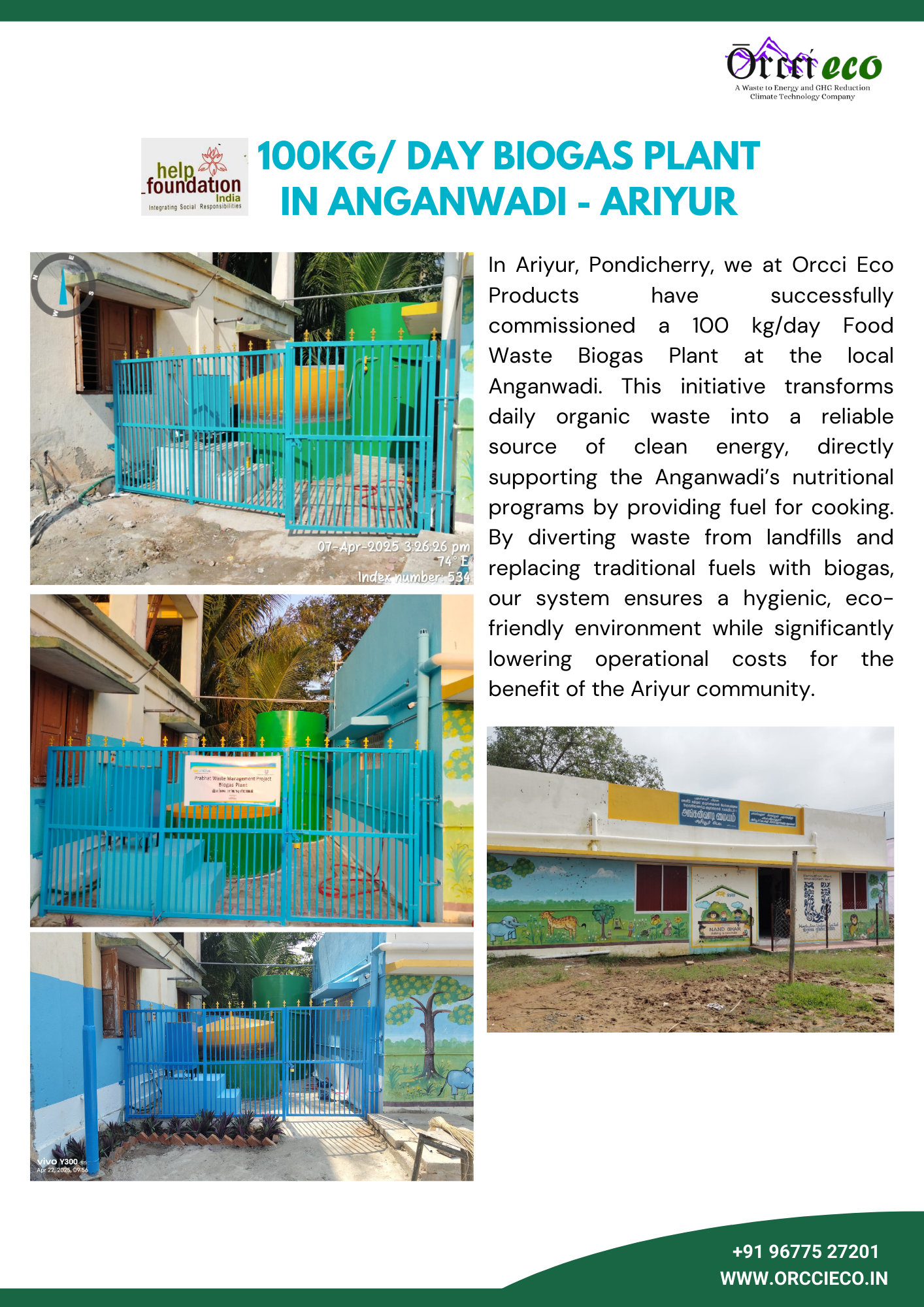
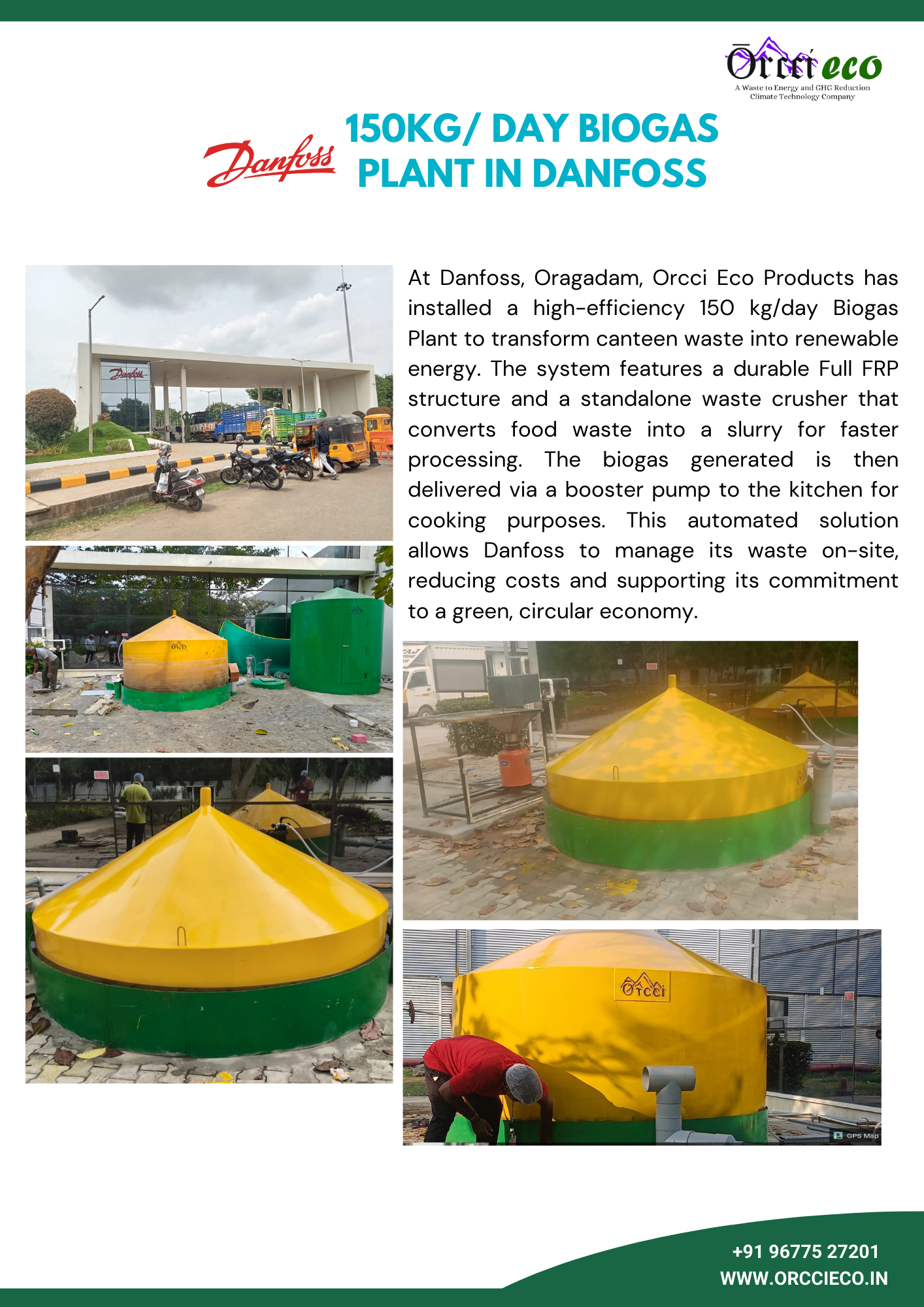
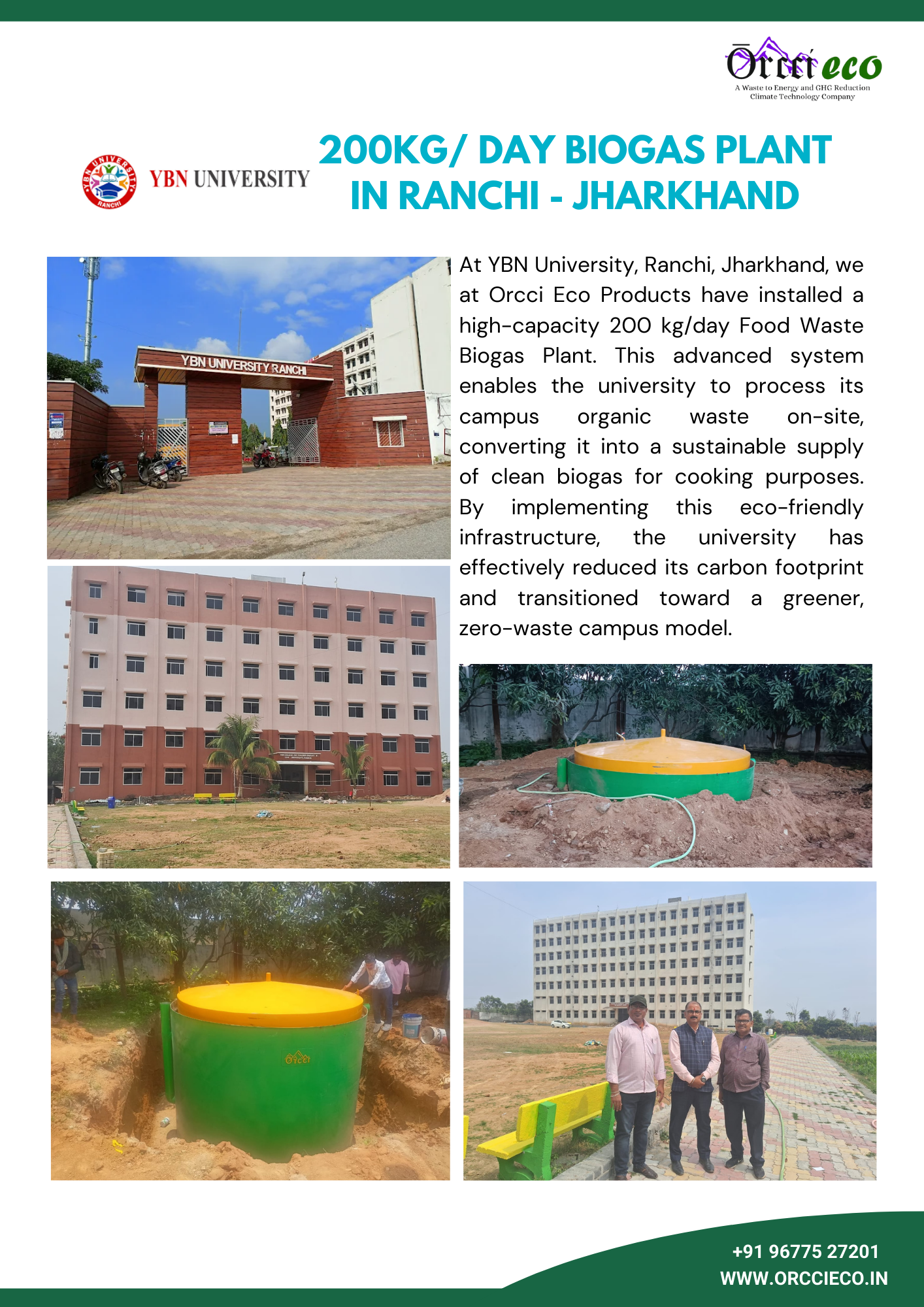
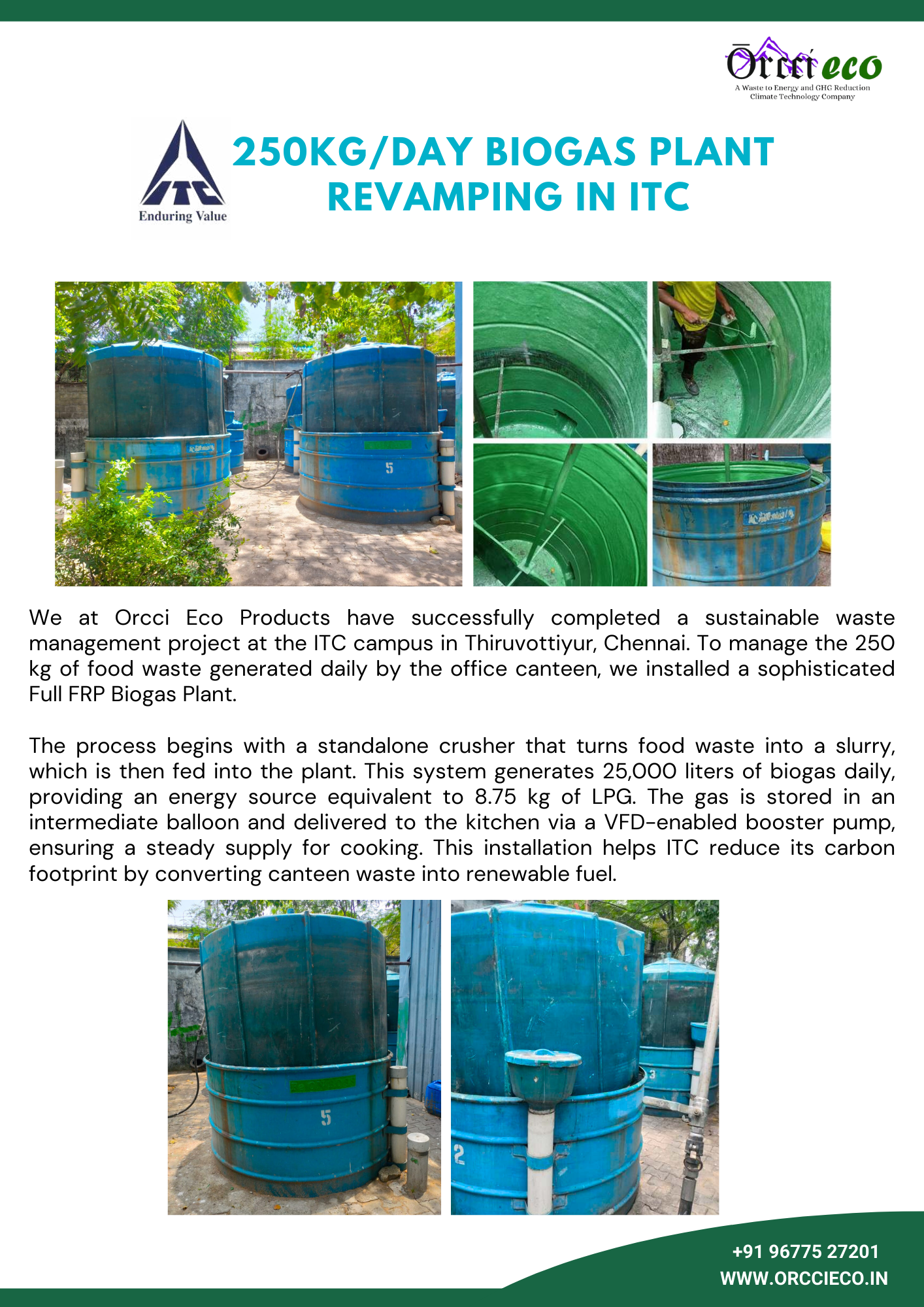
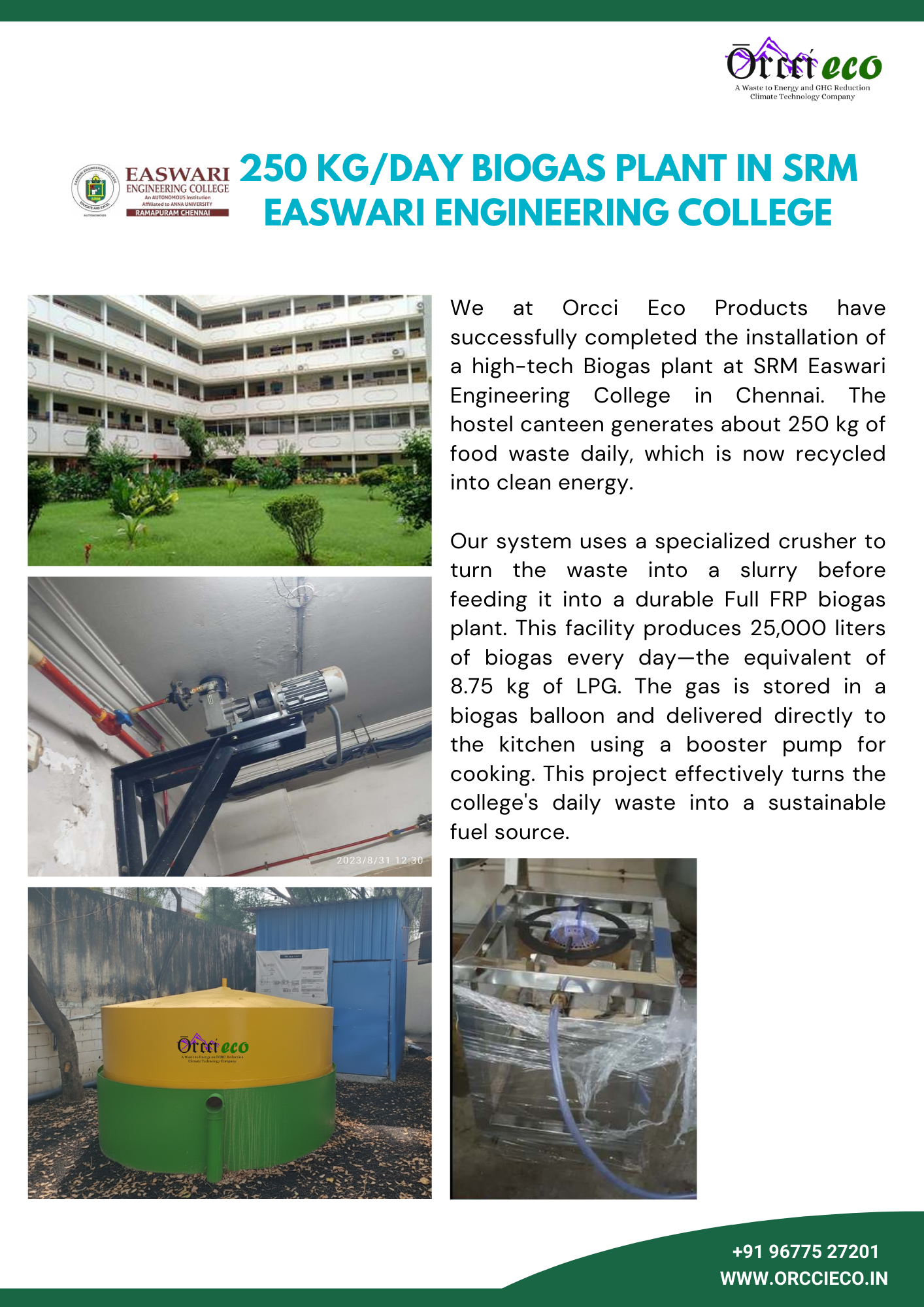
Biogas services focus on converting organic waste into renewable energy through anaerobic digestion. This process produces biogas for cooking, electricity, or heat, while the by-product digestate serves as a nutrient-rich organic fertilizer. Biogas systems reduce landfill dependency, cut greenhouse gas emissions, and promote sustainable agriculture. Modern biogas solutions include decentralized household plants, community-scale digesters, and large industrial biogas facilities.
Proper composting reduces methane emissions, improves soil fertility, and helps municipalities and institutions manage their organic waste sustainably.
Stop stressing over manpower and odor complaints at your waste site. Let our experts manage your daily composting operations with a guaranteed result, allowing you to focus entirely on your core business.
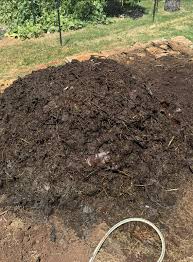
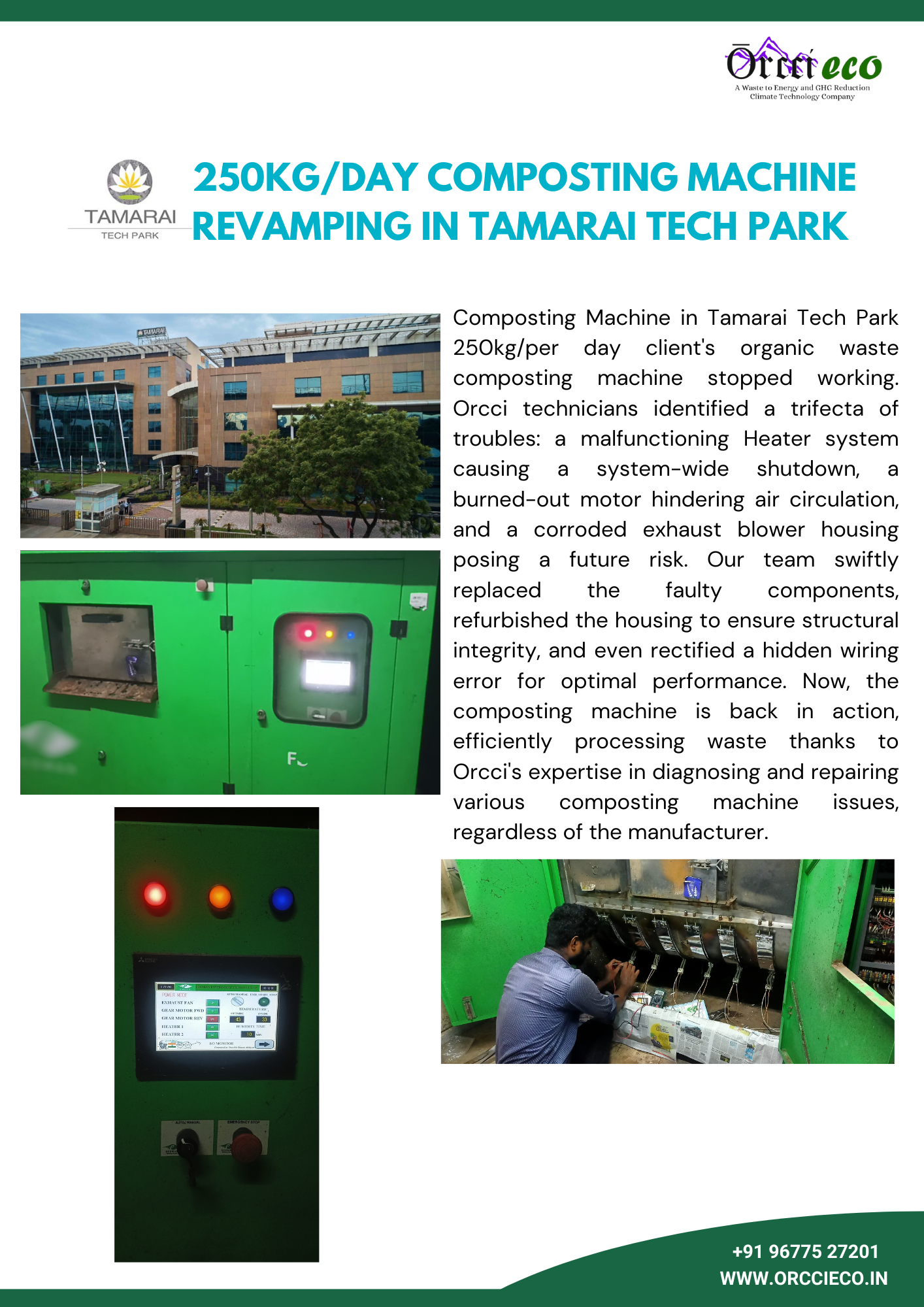
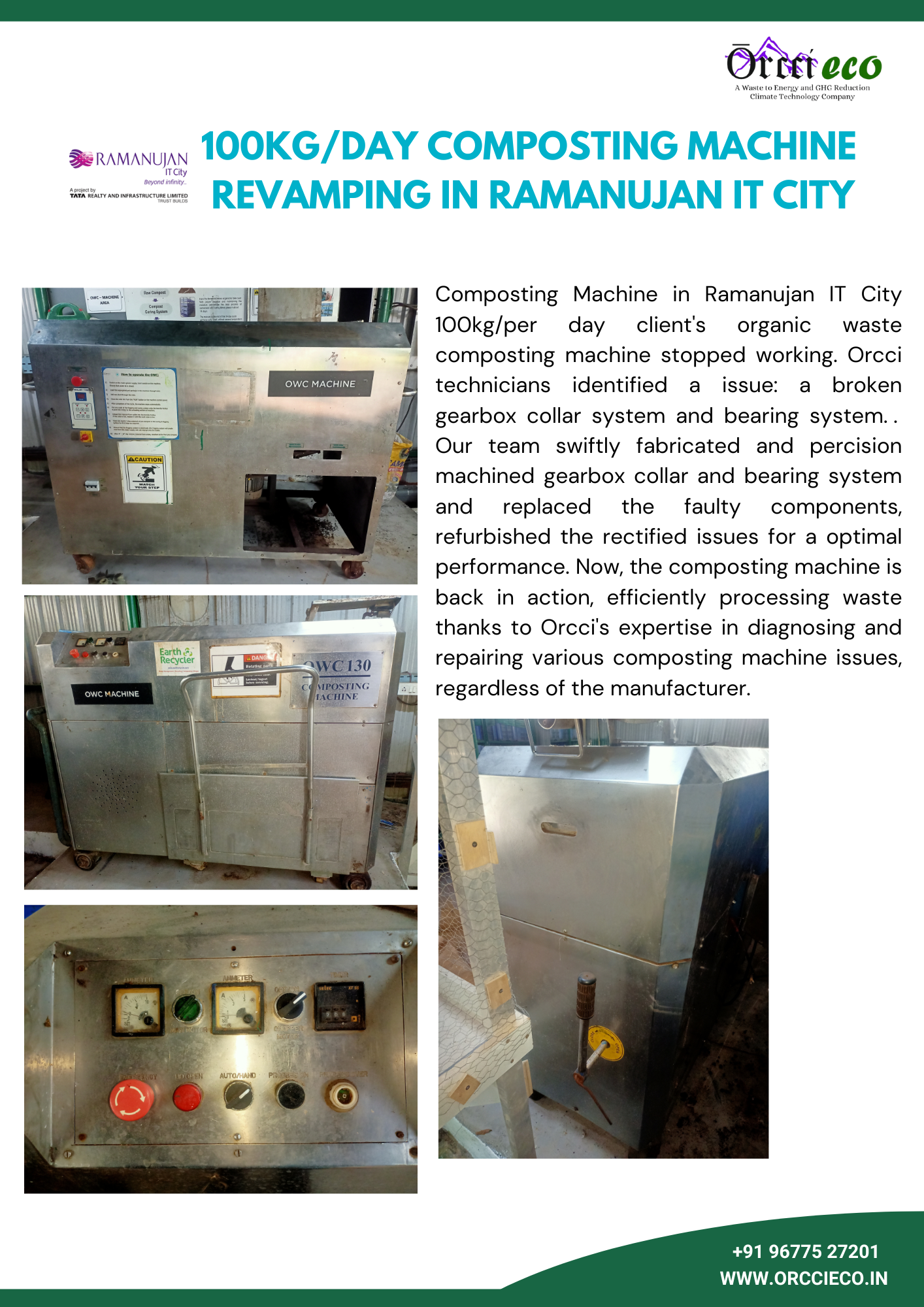
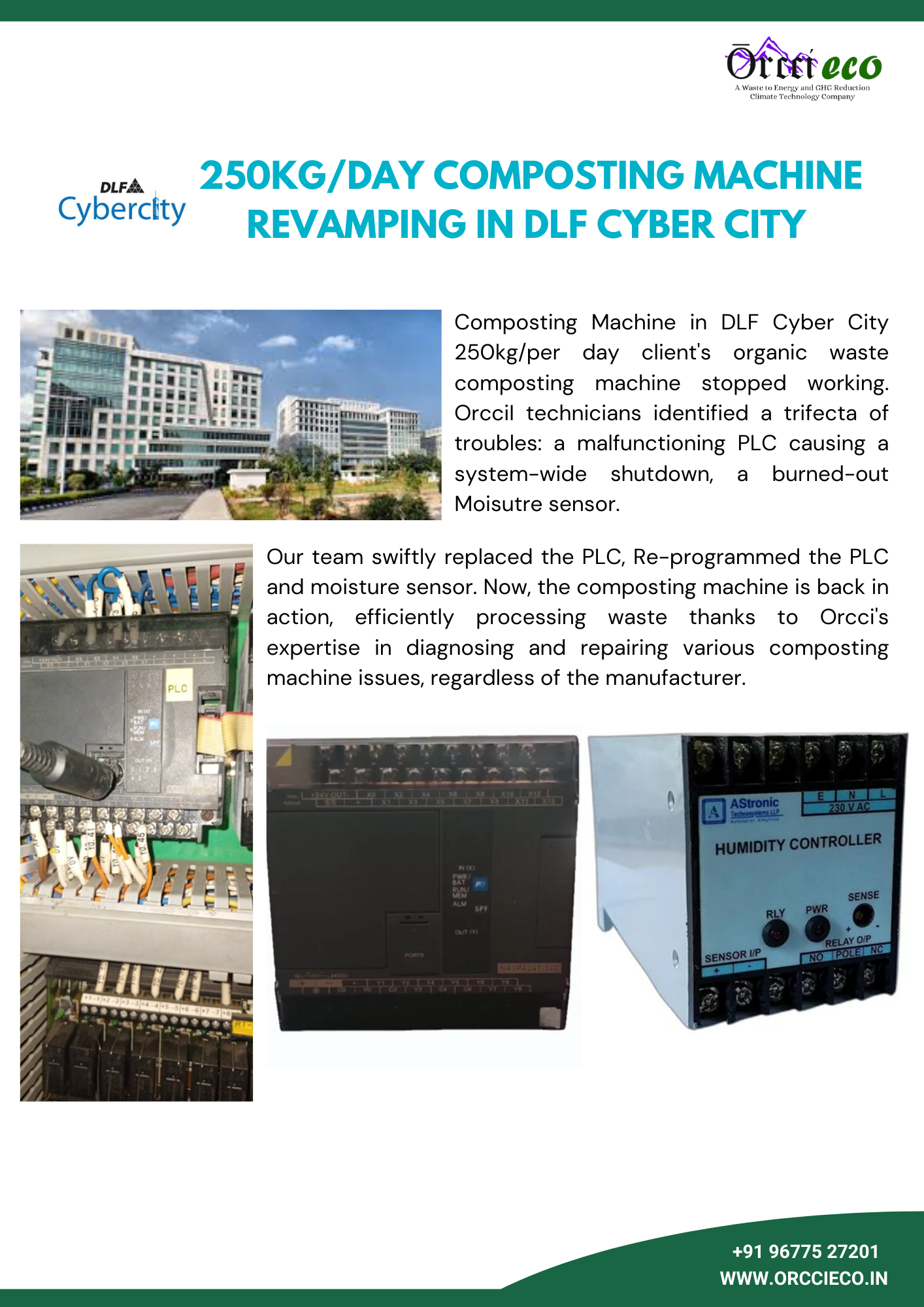
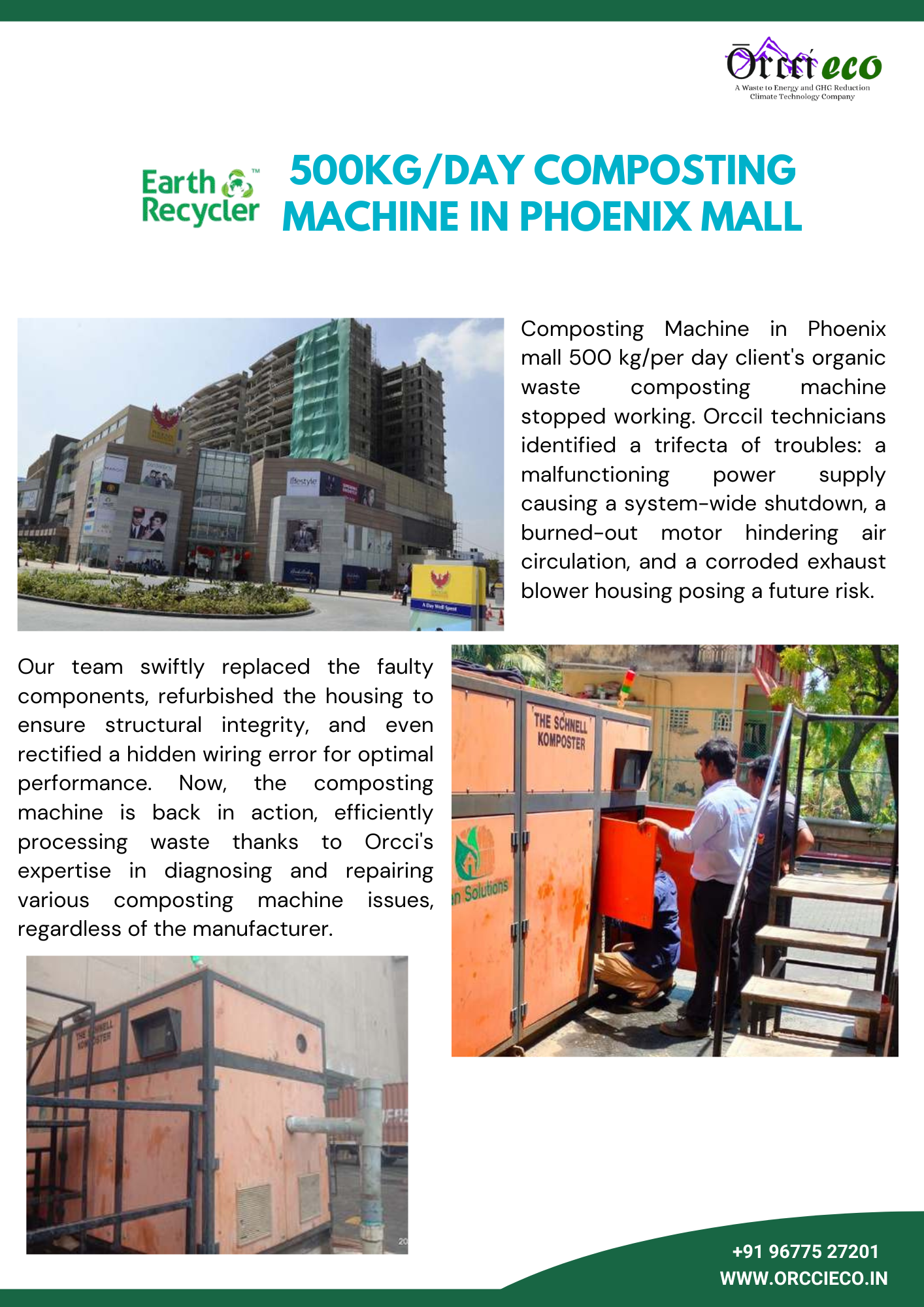
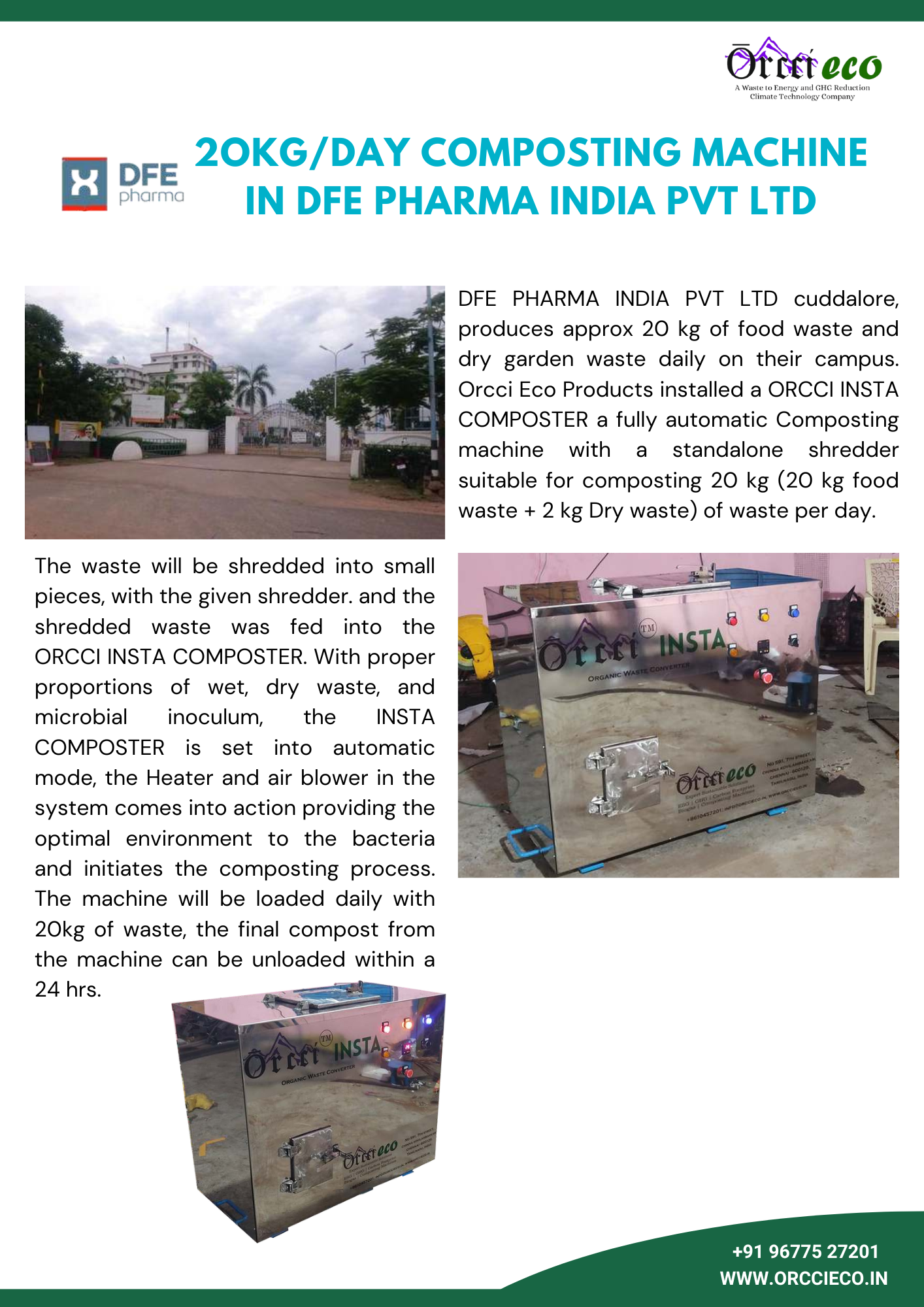
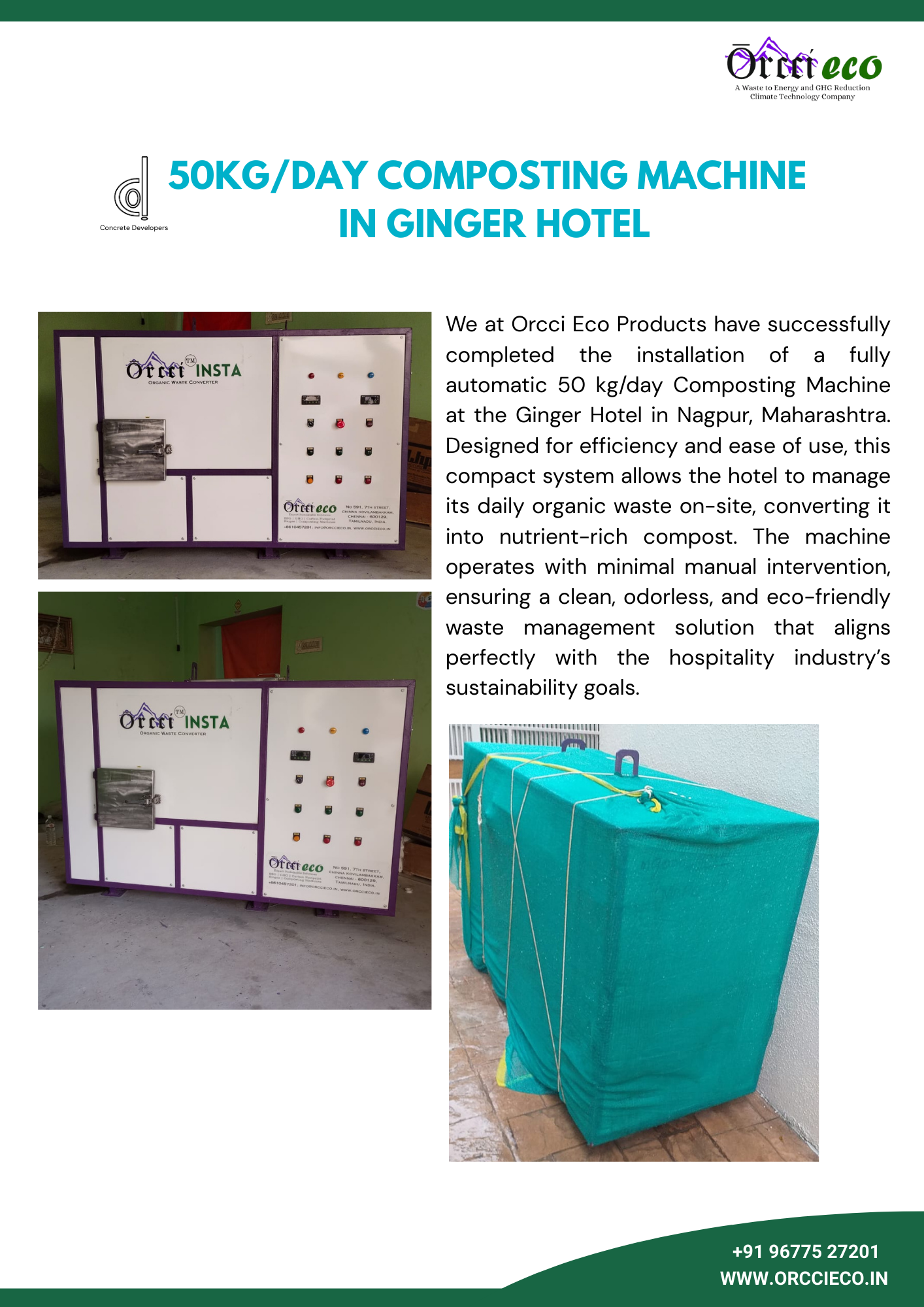
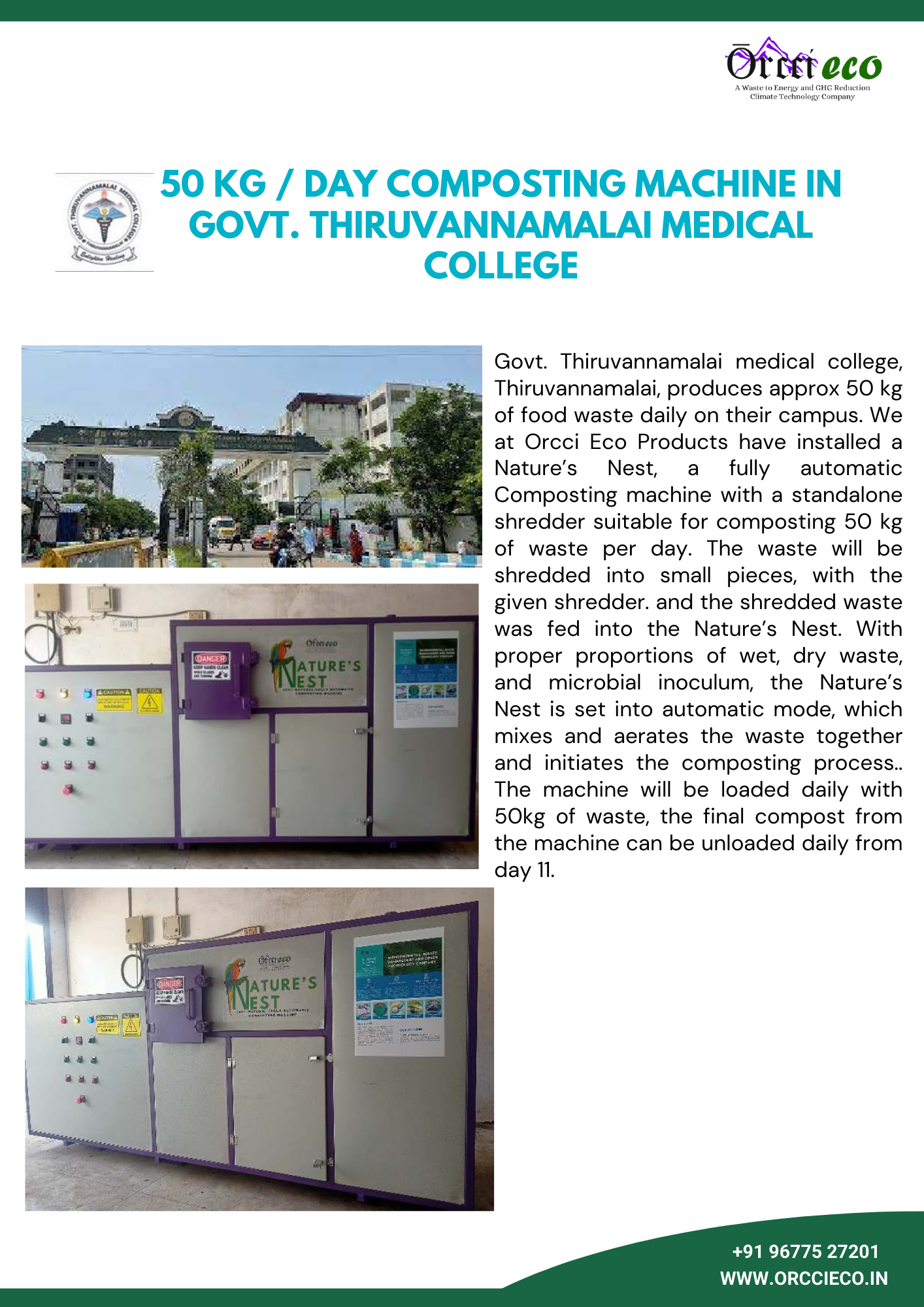
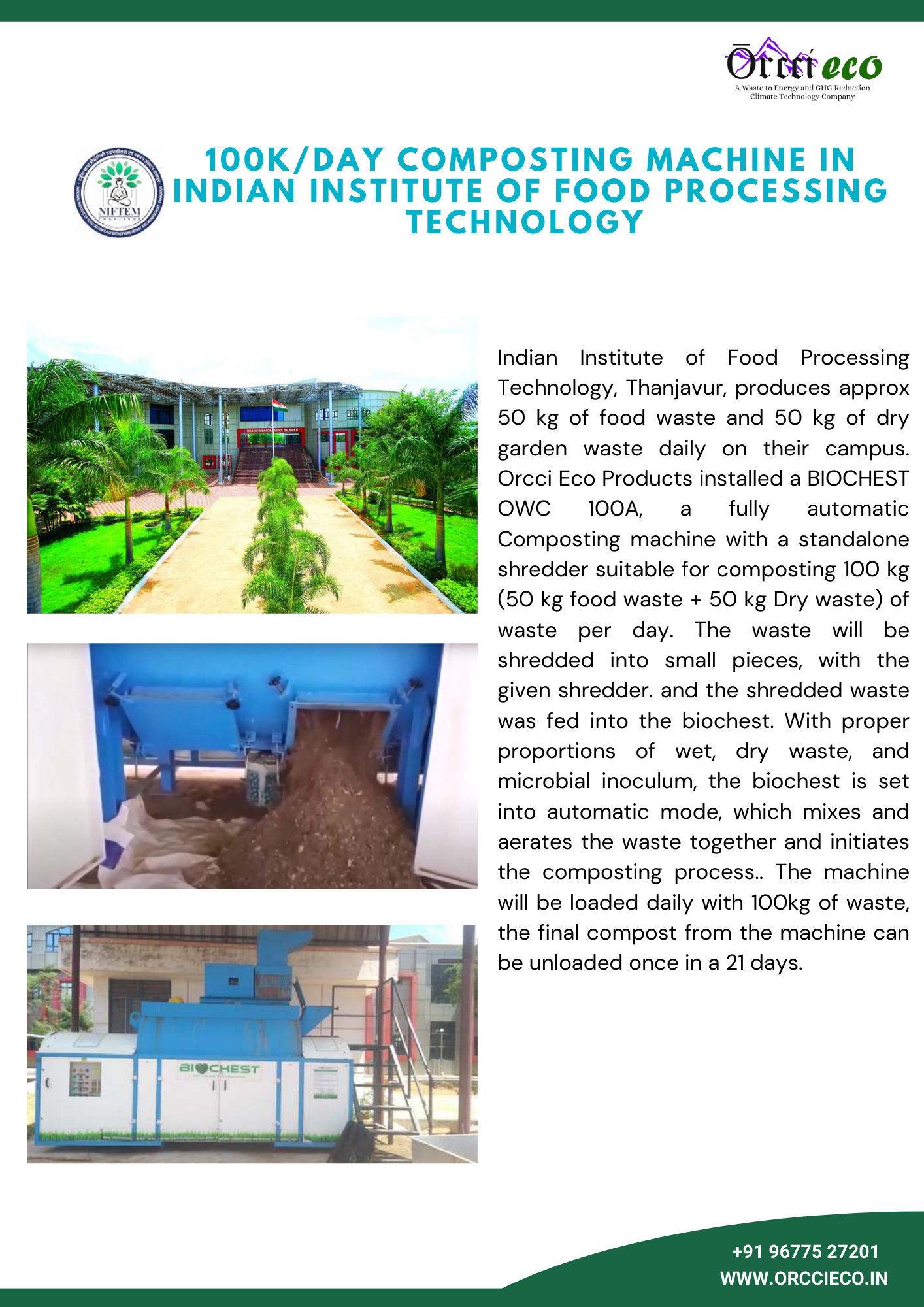
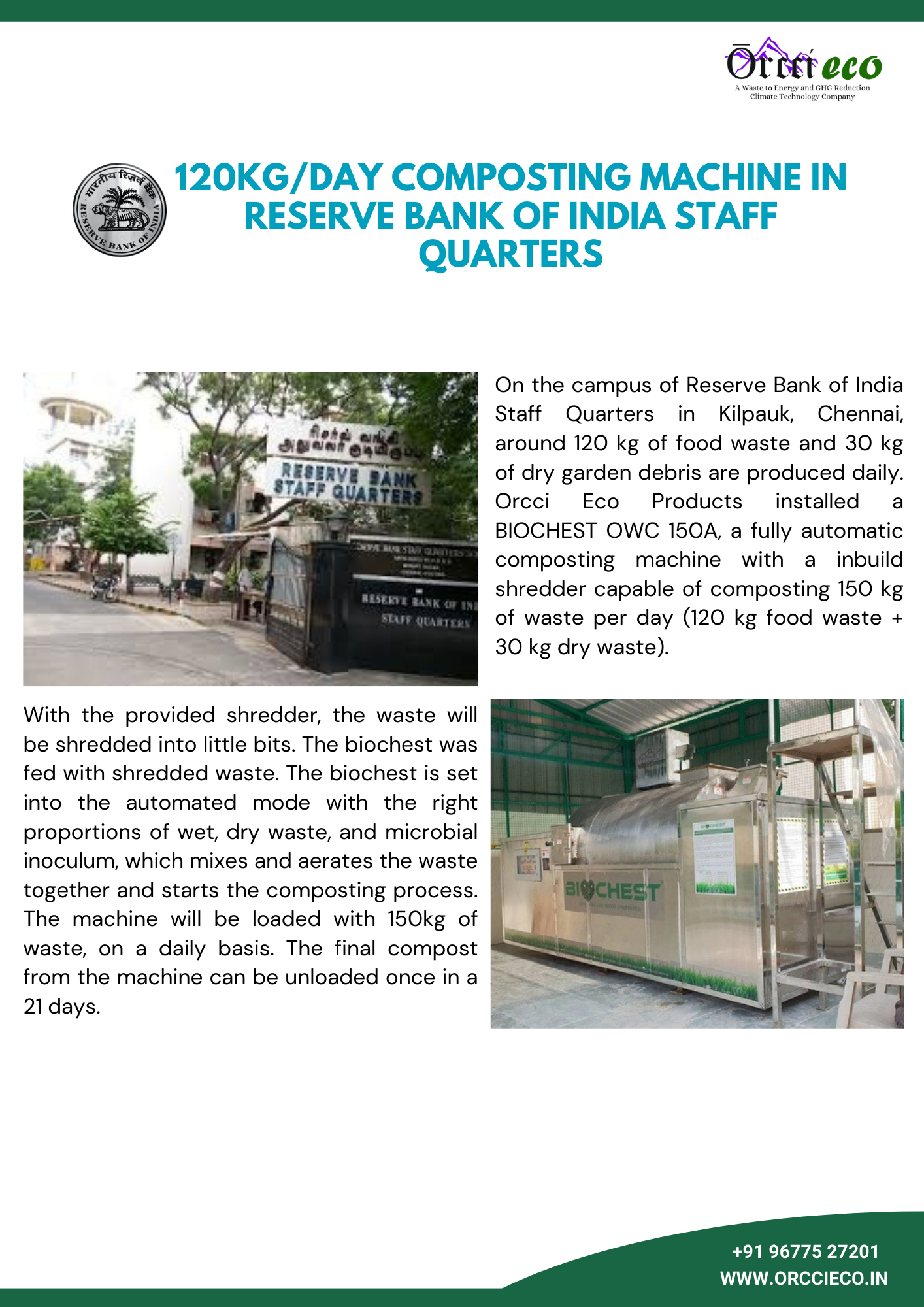
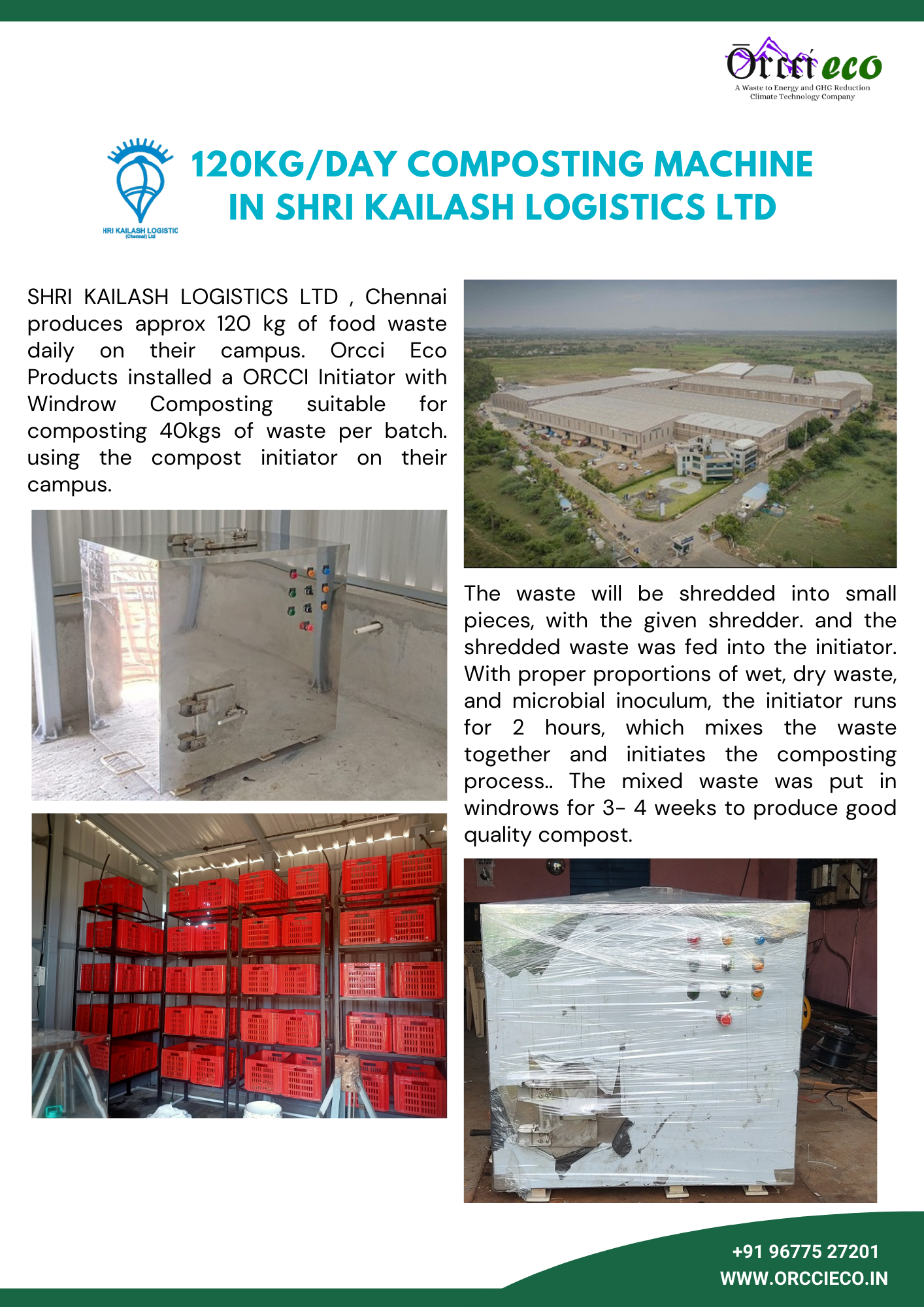
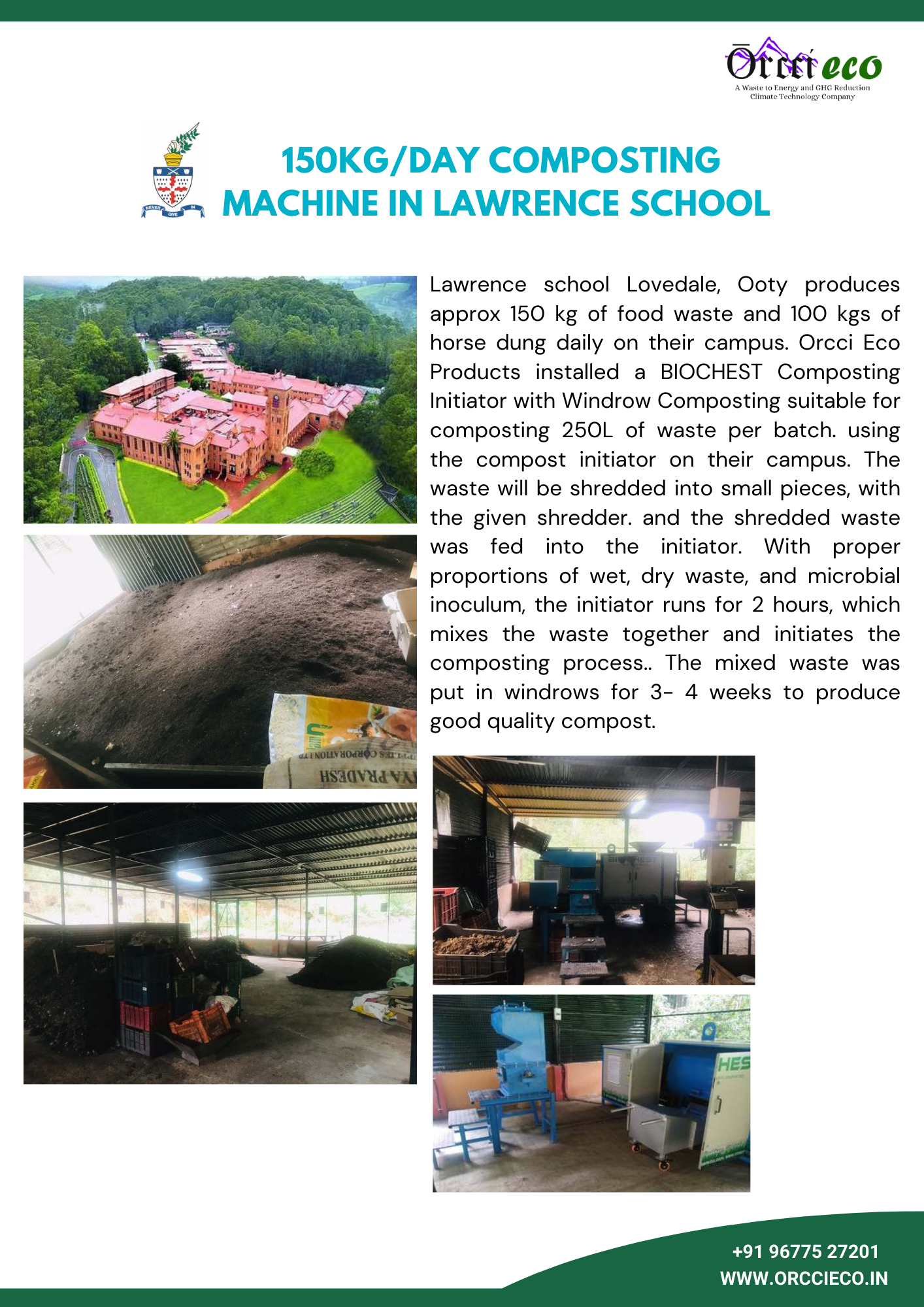
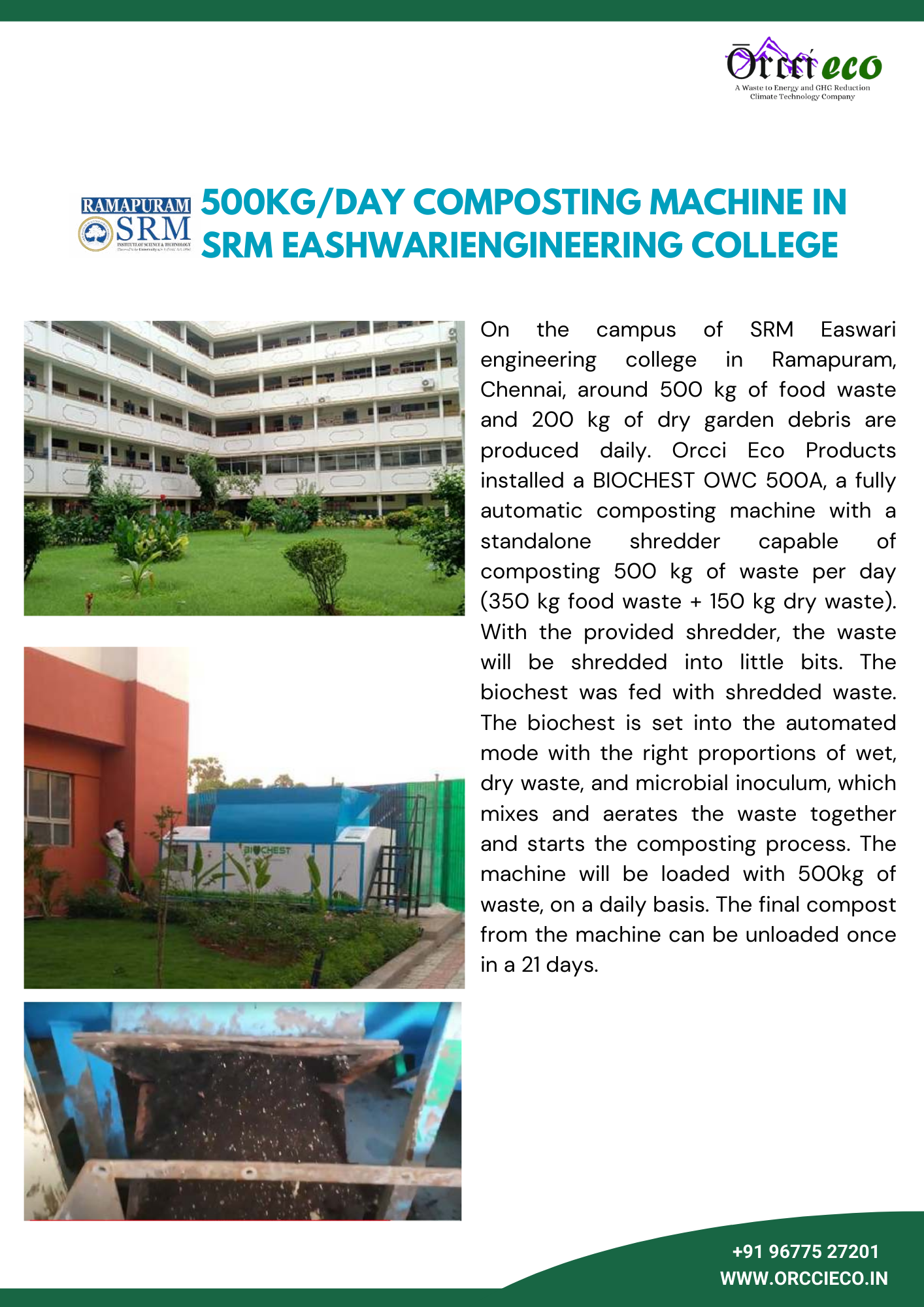
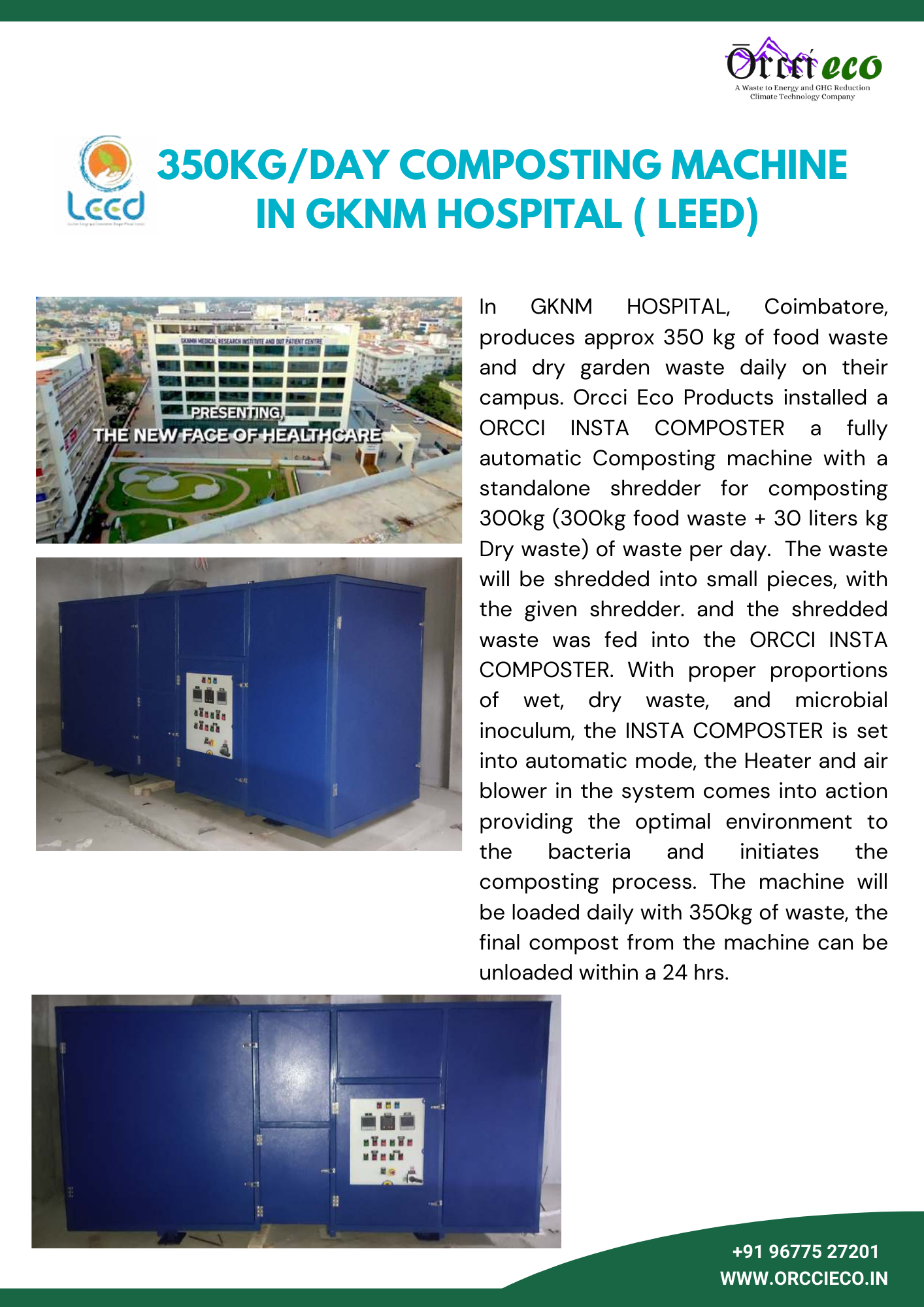
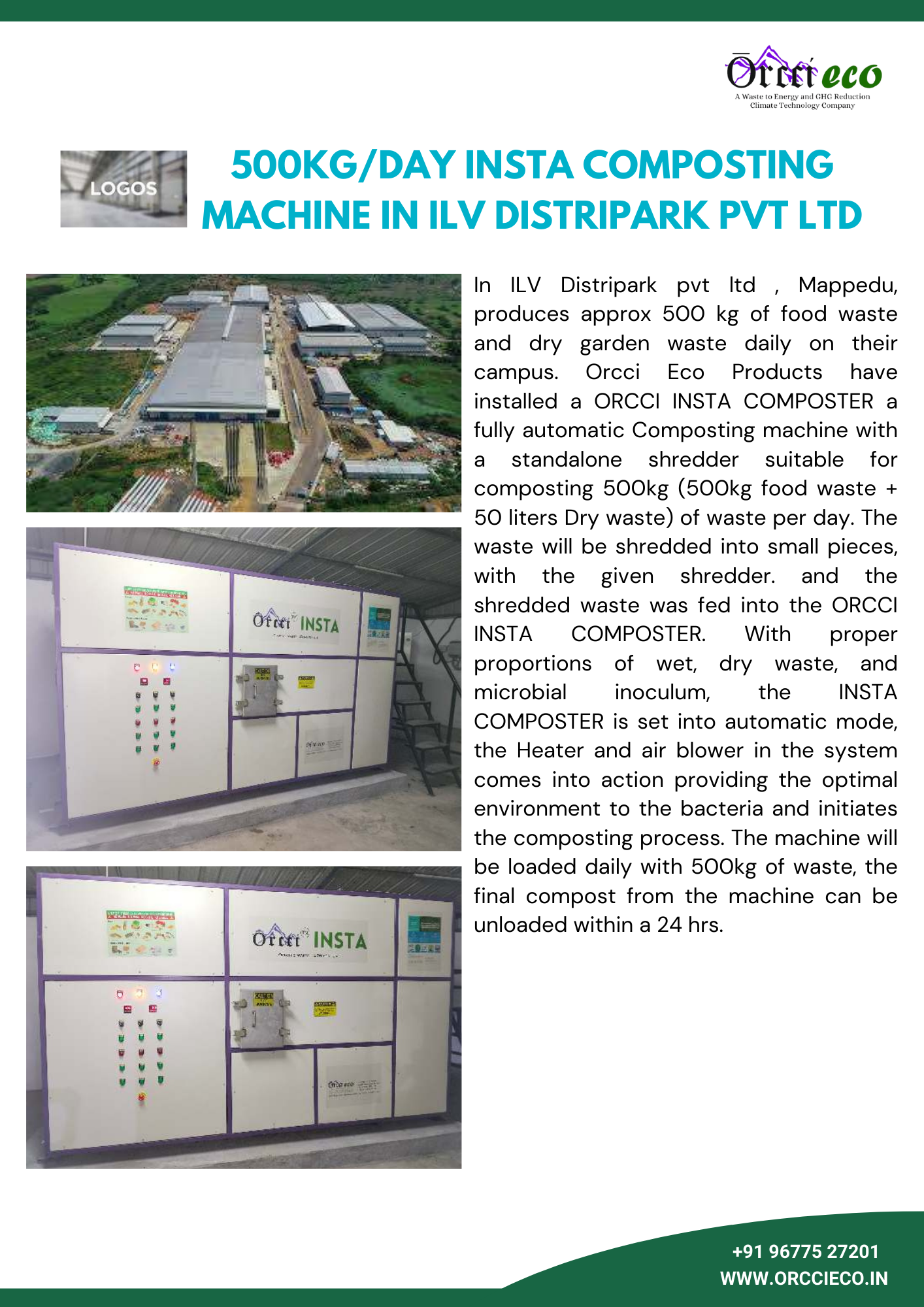
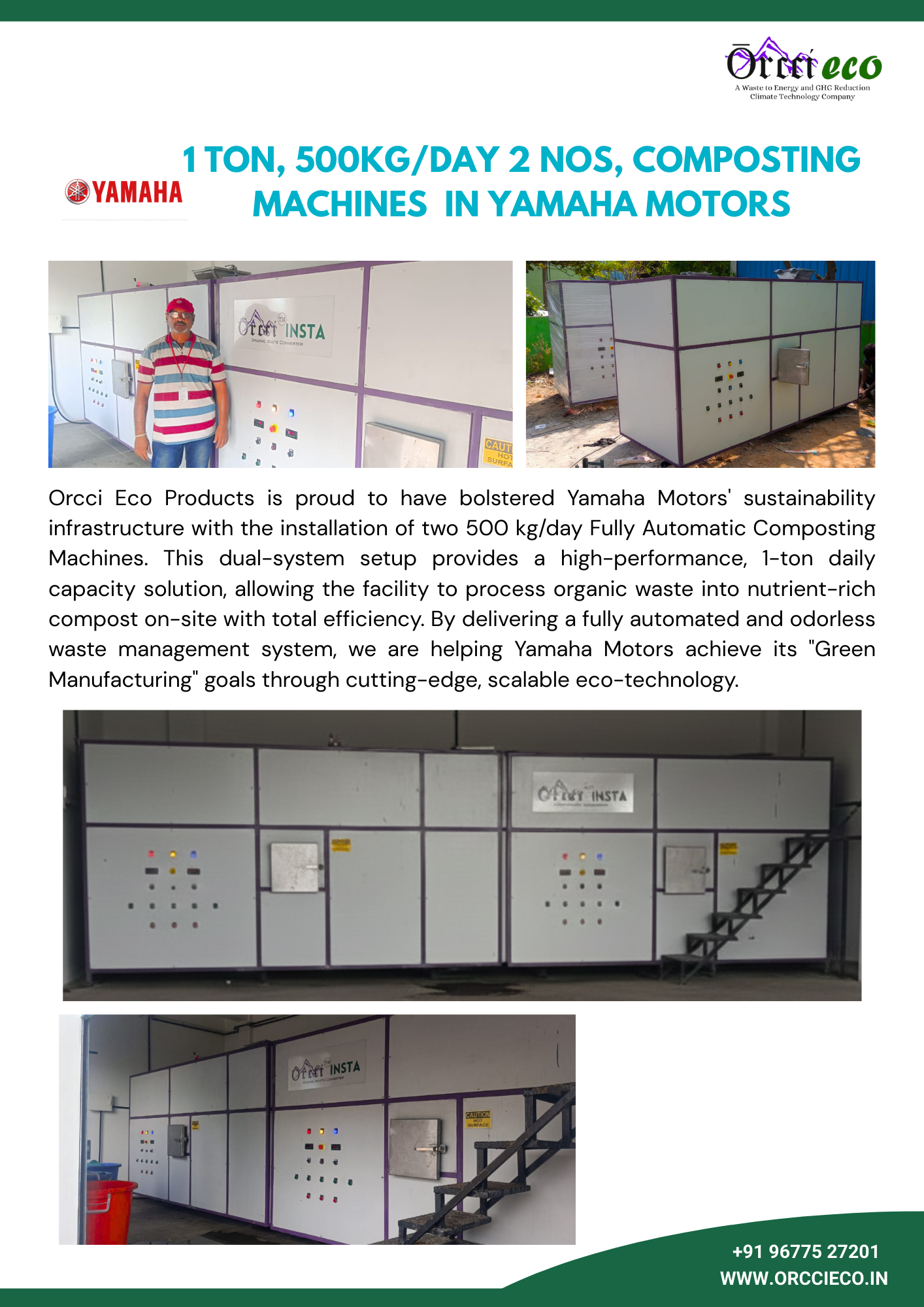
Composting services focus on transforming organic waste into nutrient-rich compost that can enrich soil, reduce landfill dependency, and support sustainable agriculture. Modern composting systems include decentralised units, aerobic digesters, and industrial-scale composting yards.
Proper composting reduces methane emissions, improves soil fertility, and helps municipalities and institutions manage their organic waste sustainably.
 You said: